Why Your Pool Turns Green and How to Fix It

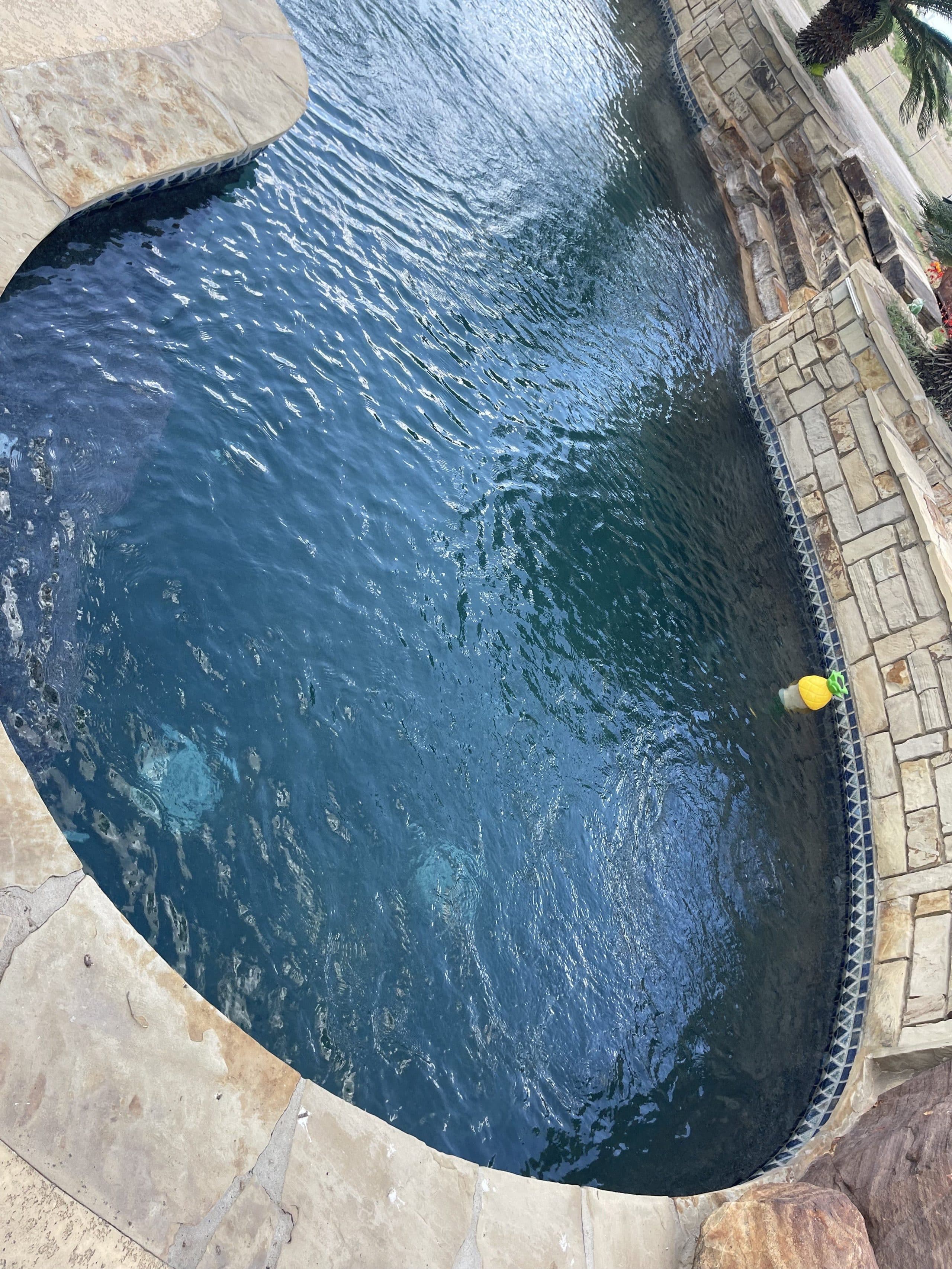
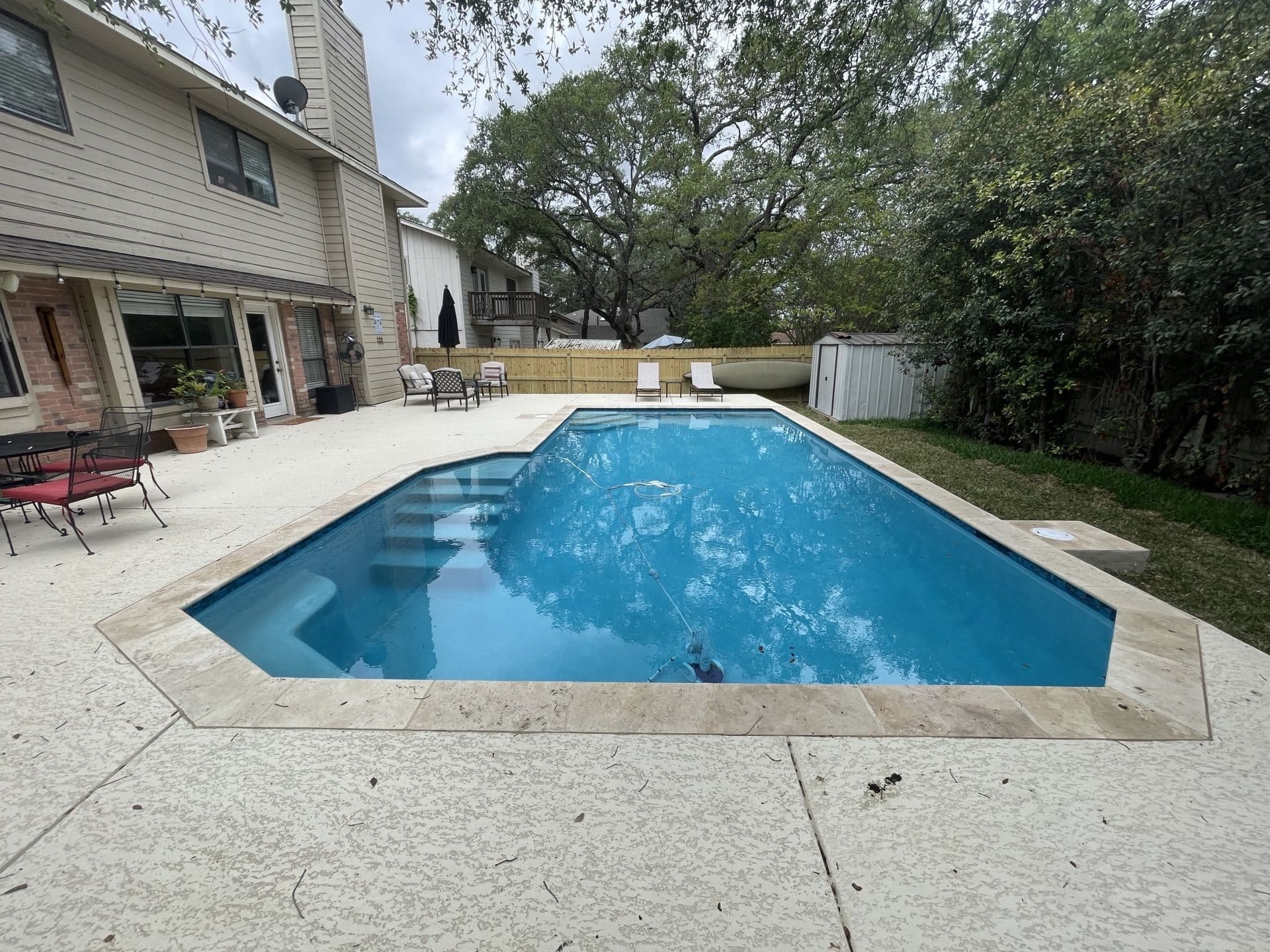
Algae in a pool that turned the water green.

Why Your Pool Turns Green and How to Fix It

Your pool water turns green when algae grows in your pool. Algae spores can enter your pool through wind, rain or contaminated bathing suits and equipment. When conditions are favorable, algae can grow and flourish at a rapid rate. These conditions include an improper imbalance of pool chemicals and inadequate pool cleaning. Fortunately, there are steps you can take to remove algae and fix your green pool. Follow these steps from our pool builders San Antonio specialists to turn your water from green to blue and have the best advice for your pool maintenance in winter.

1. Remove Debris

Using a leaf rake or bagger, remove any debris from your pool. Removing debris may make your pool look much worse temporarily, but it’ll help you avoid clogging up your filter.

2. Set Your Pump and Filter

Set your pump and filter to run 24 hours a day to help remove algae during cleaning. You may need to backwash your filter regularly to keep it running smoothly.

3. Scrub Your Pool

Scrub the sides and floor of your pool to break the algae up and allow any chemical treatments to work faster. Pay particular attention to areas where you can see algae build-up.

4. Balance the pH

Before shocking your pool, test the chemical levels. If necessary, add an acid or a base to bring the pH to around 7.8.

5. Shock Your Pool

Add a shock containing at least 70 percent available chlorine to remove algae from your pool. If there’s a large amount of algae in your pool, you may need to shock it more than once.

6. Add Algaecide

Add an algaecide to kill algae and prevent it from returning. You can also add a clarifier to help clear up your pool water more quickly.

7. Remove Algae

It’s important to get rid of green algae in the pool because when the algae in your pool dies, the water will turn blue and cloudy. Run your pump and filter to help clear up the water.

8. Remove Debris

Once the water is clear, you’ll likely notice debris on the pool floor. Remove any debris to further improve the clarity of your pool water.

9. Retest Your Water

Retest the chemical levels in your pool to ensure they fall within the correct range. If the chemical levels aren’t in range, take appropriate action.
Turning your pool from green to blue will take some time, but with a little patience and work, your pool will be ready to swim in again. By keeping your pool clean and chemically balanced, you can help to keep the water crystal clear. For all your pool needs, visit Sanchez Pools to keep your pool beautiful year round.

Choosing Between Vinyl, Fiberglass and Concrete In-Ground Pool Liners

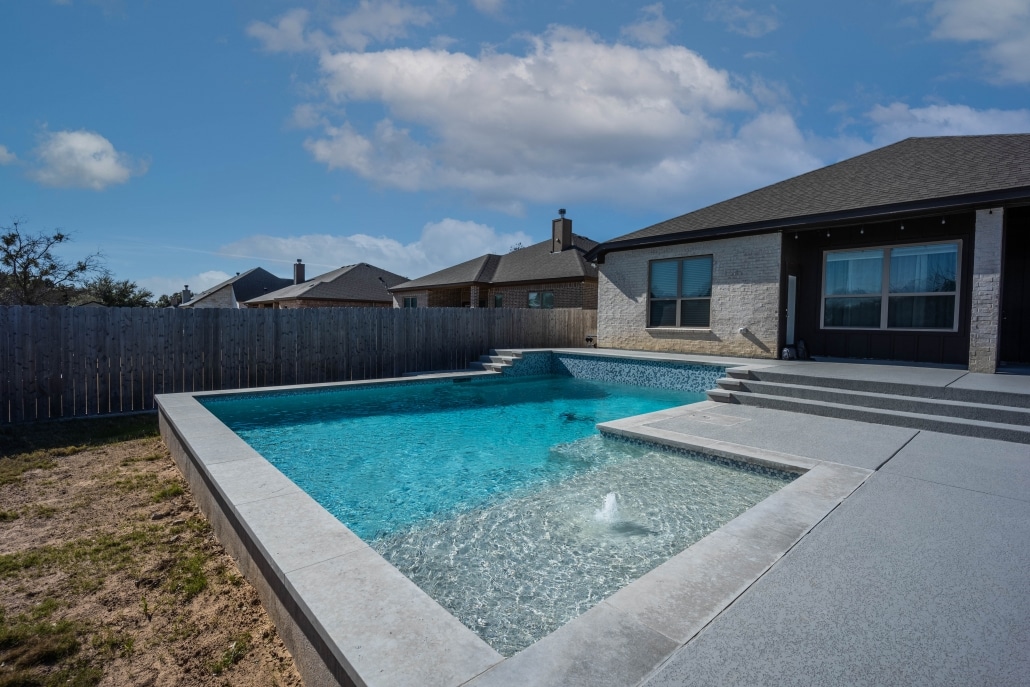
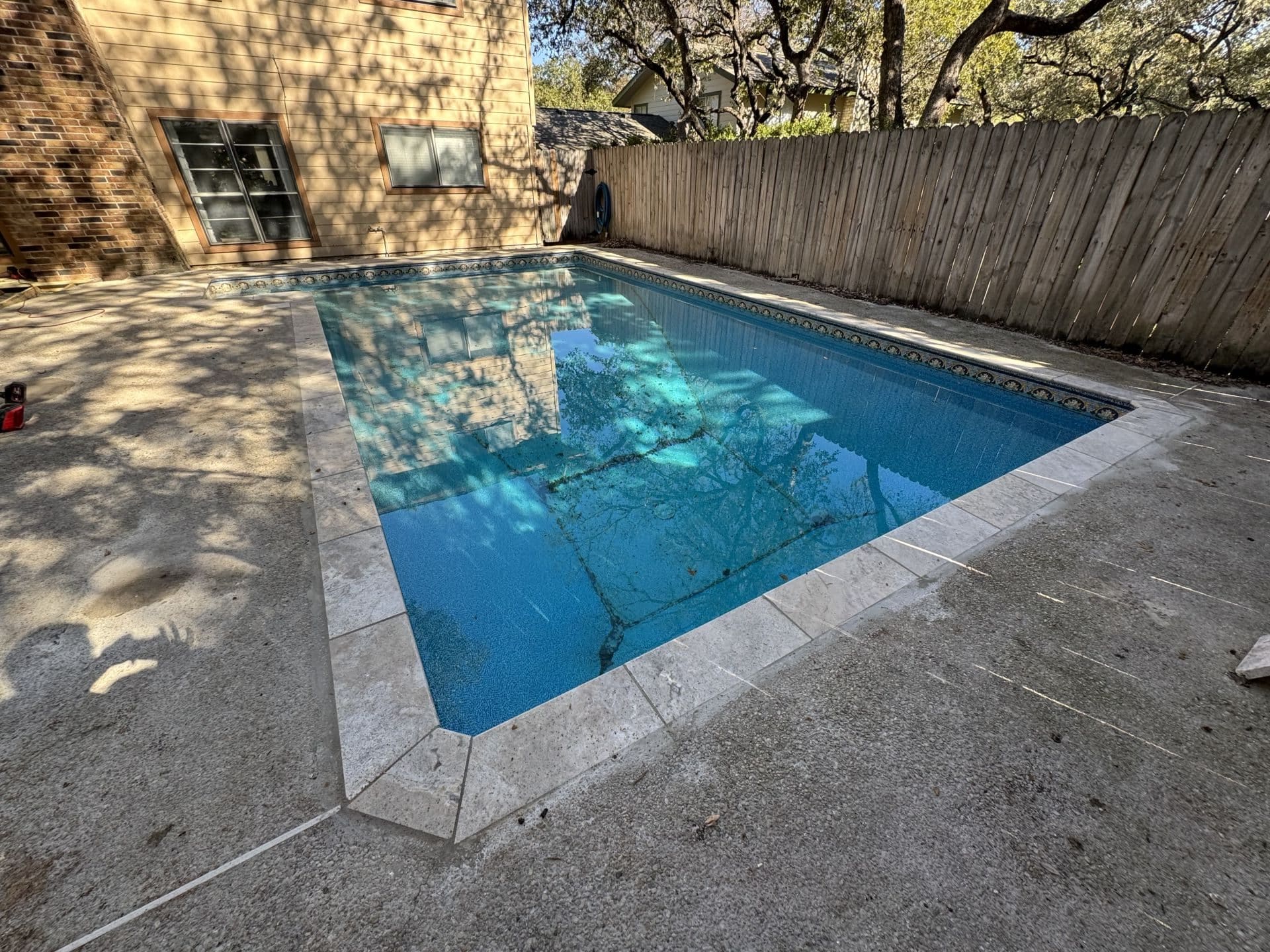
A custom-lined pool.

Choosing Between Vinyl, Fiberglass and Concrete In-Ground Pool Liners

Before you sign a contract to install a swimming pool in your backyard, it’s important to know what the best in ground pool liner is for your needs. While many pool contractors have passionate views on the best pool liner type, the right pool liner for you depends on your priorities and your budget and that’s something our pool contractors San Antonio team understand very well.

Vinyl Pool Liners

Vinyl pool liners are the best option if your initial budget is less than $35,000. They’re available in a wide range of colors and styles, so you can choose one that complements your house. These pool liners are also a great choice for areas with a heavy freeze-thaw cycle because it is less likely to crack than concrete since this temperature level can easily make a crack in concrete pool.

Unfortunately, vinyl is also the least durable pool liner option. Many contractors don’t recommend vinyl pool liners if you have dogs or young kids in your family because of the possibility of accidentally damaging the lining. Also, after 5-10 years of use, you should expect to pay to approximately $4,000 to replace the liner.

Fiberglass In Ground Pool Liners

In ground pools with fiberglass liners are the easiest to maintain, require the least amount of pool chemicals and are less likely to stain over time. They also have an expected useful lifespan of 25 years. Like vinyl pool liners, they also do well in climates with deep freezes and can be installed quickly.

Expect to pay $35,000 or more for a fiberglass pool liner. Fiberglass liners are also the most limited when it comes to design options.

Concrete In Ground Pools

Concrete swimming pools are the most versatile and durable option available. Any size, shape and color is possible with this pool liner type. You can also add-on to concrete pools or extensively renovate them if you want to upgrade your pool later. The interior of the pool can be finished with tile, plaster or exposed aggregate. Plaster is the most popular finish, but you should expect to pay several thousands of dollars to resurface the pool every ten years.

Concrete pools can last 50 years or more, but expect to budget at least $50,000 for the pool. Your maintenance and chemical costs will also be higher than any other option. Concrete in ground pools also take anywhere from 3-12 weeks to install, versus 1-3 weeks for vinyl and fiberglass pool liners.

Choosing between in ground pool liners depends on your area’s climate, your household budget, your maintenance goals and your overall design preferences. However, with some research and help from a local contractor, you’ll be able to pick a swimming pool that you’ll enjoy for years to come. If you’re having a hard time deciding call the experts at Sanchez Pools to get some help making the right decision for you.

How To Accent Your Pool Area

san antonio pool builders sanchez

Your pool needs to pop and we know just the tips and tricks to make that happen. Start with some furniture and in some hardscaping and lighting and you’ve got one stunningly beautiful pool.

Continue reading