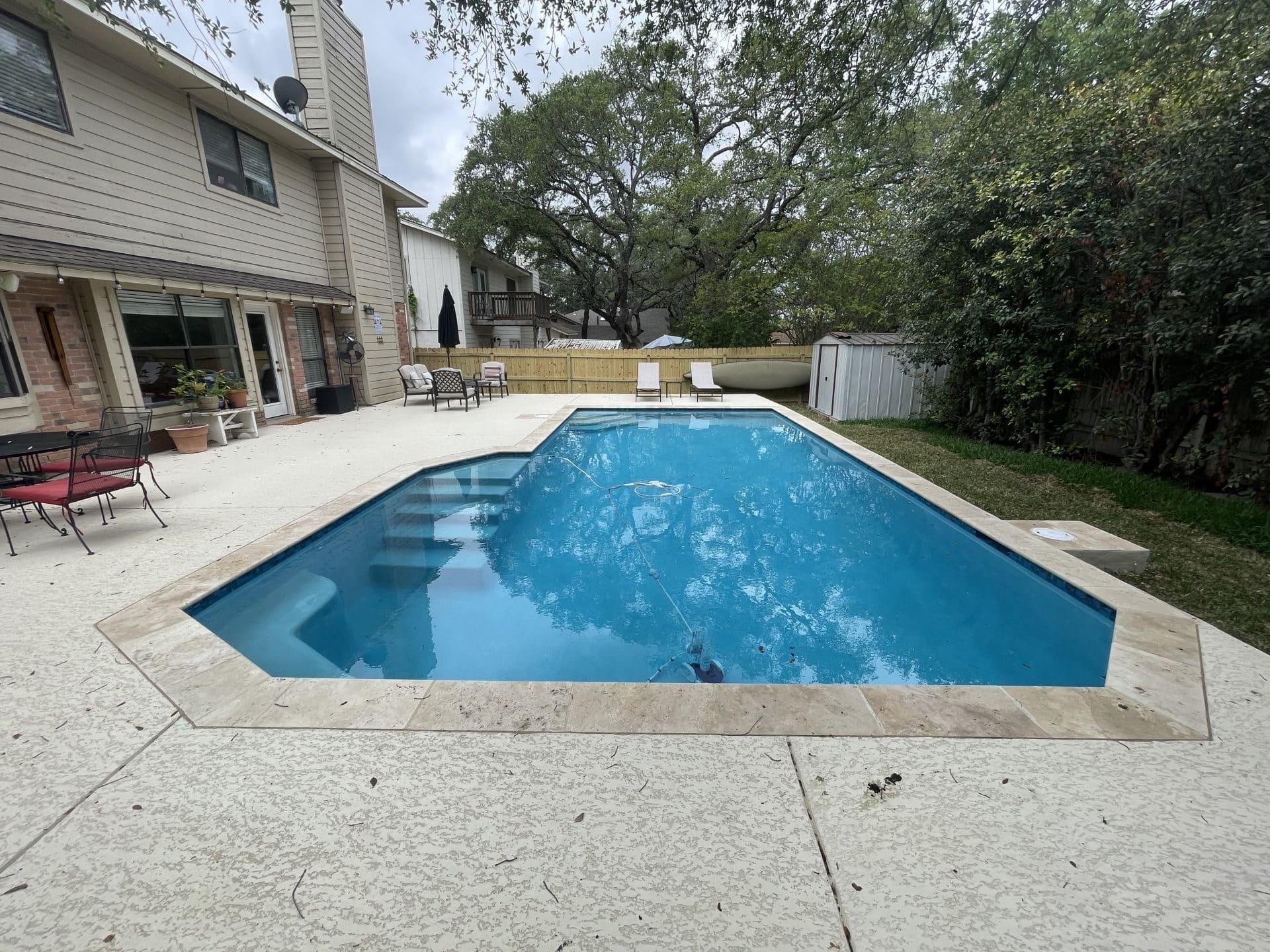
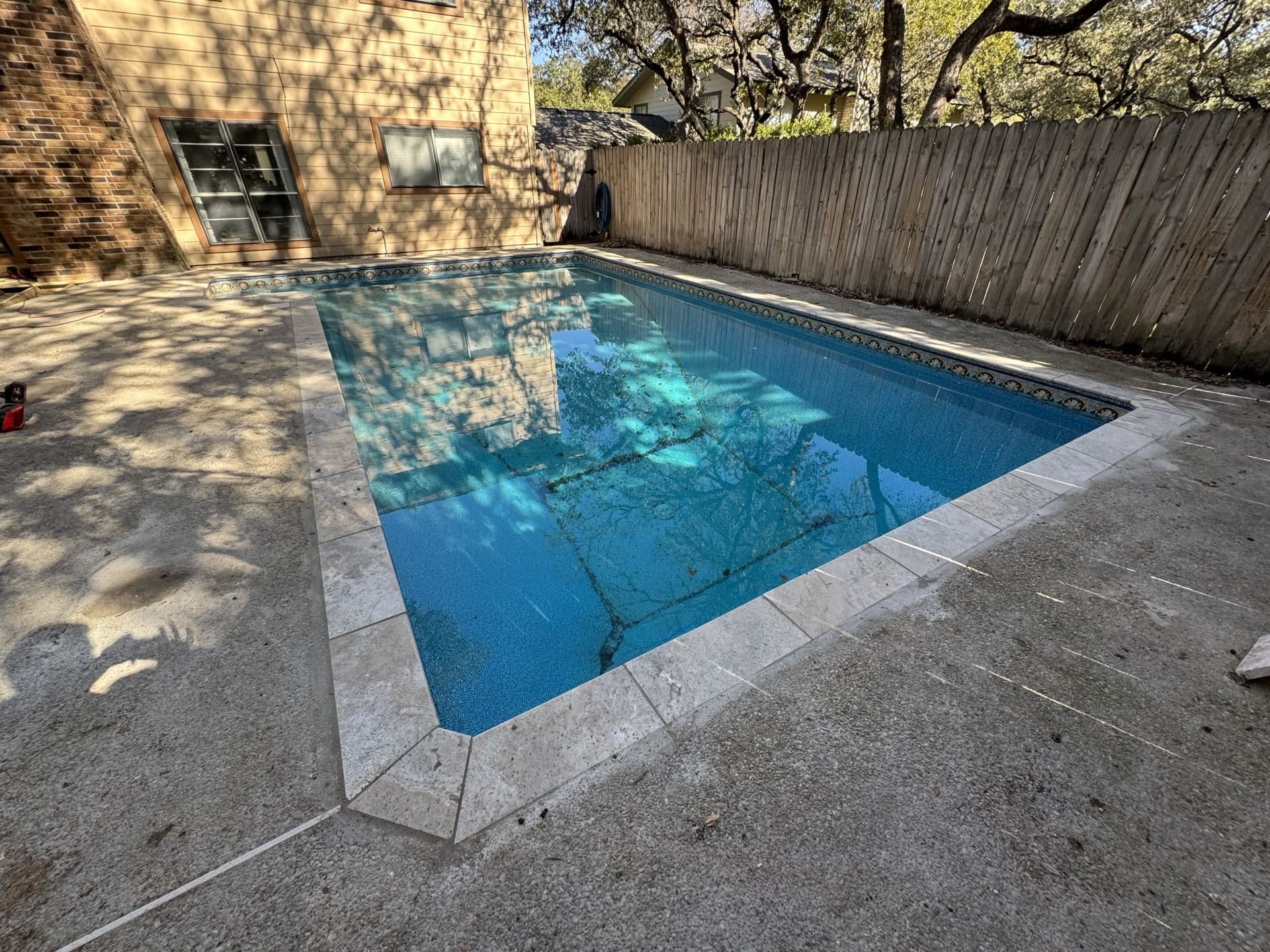
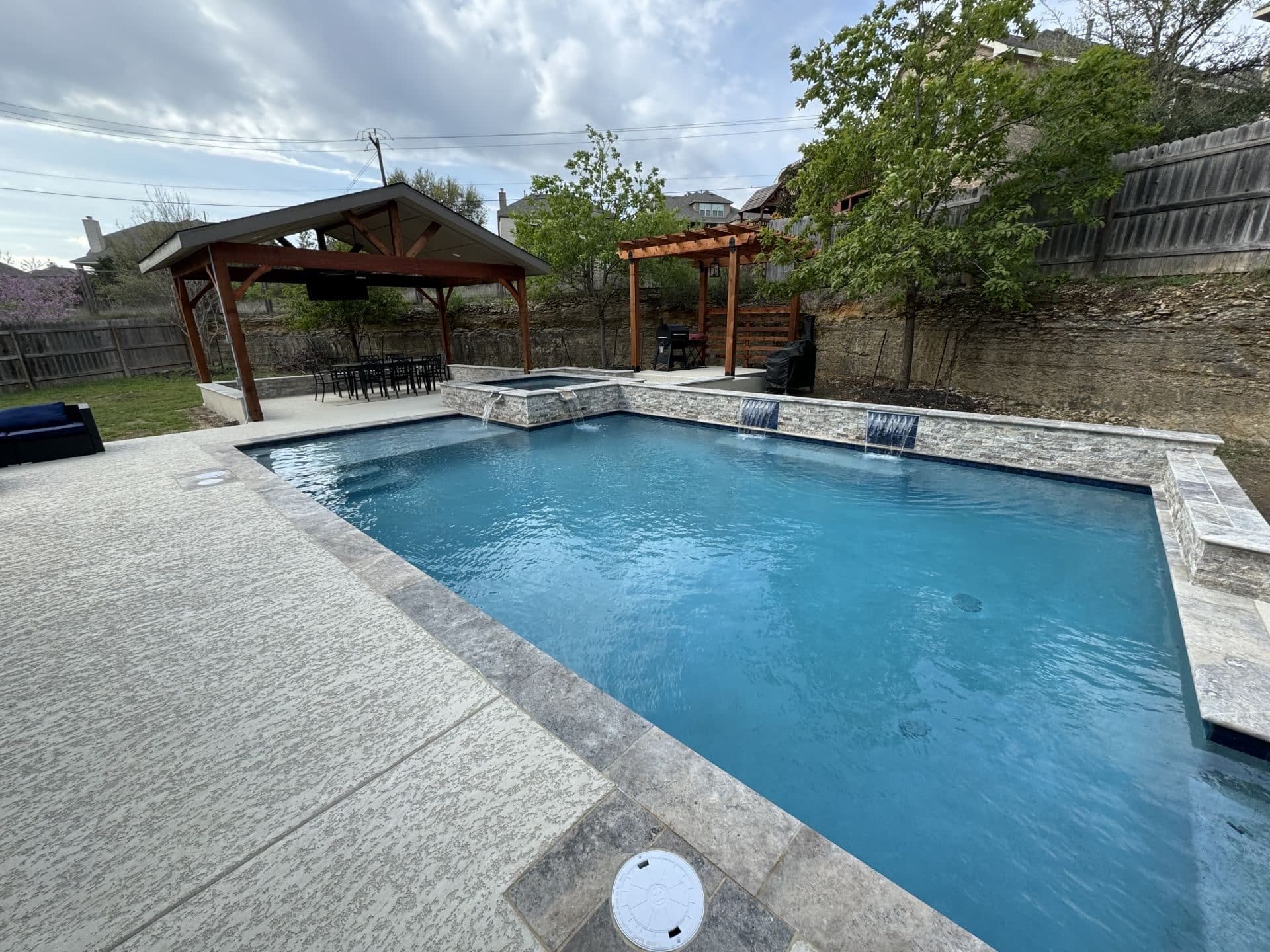
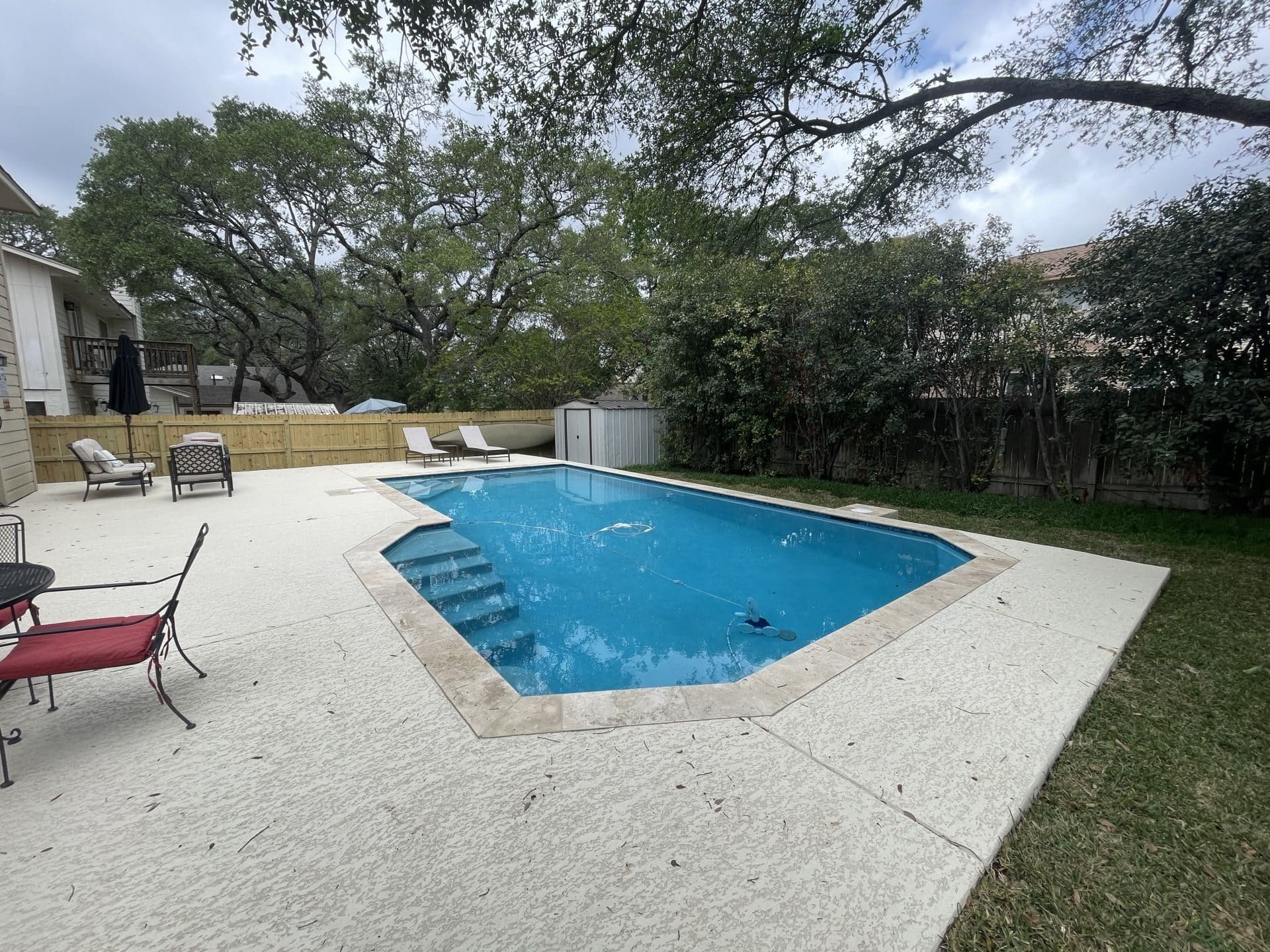
How to Replace a Swimming Pool

pool remodeling san antonio tx

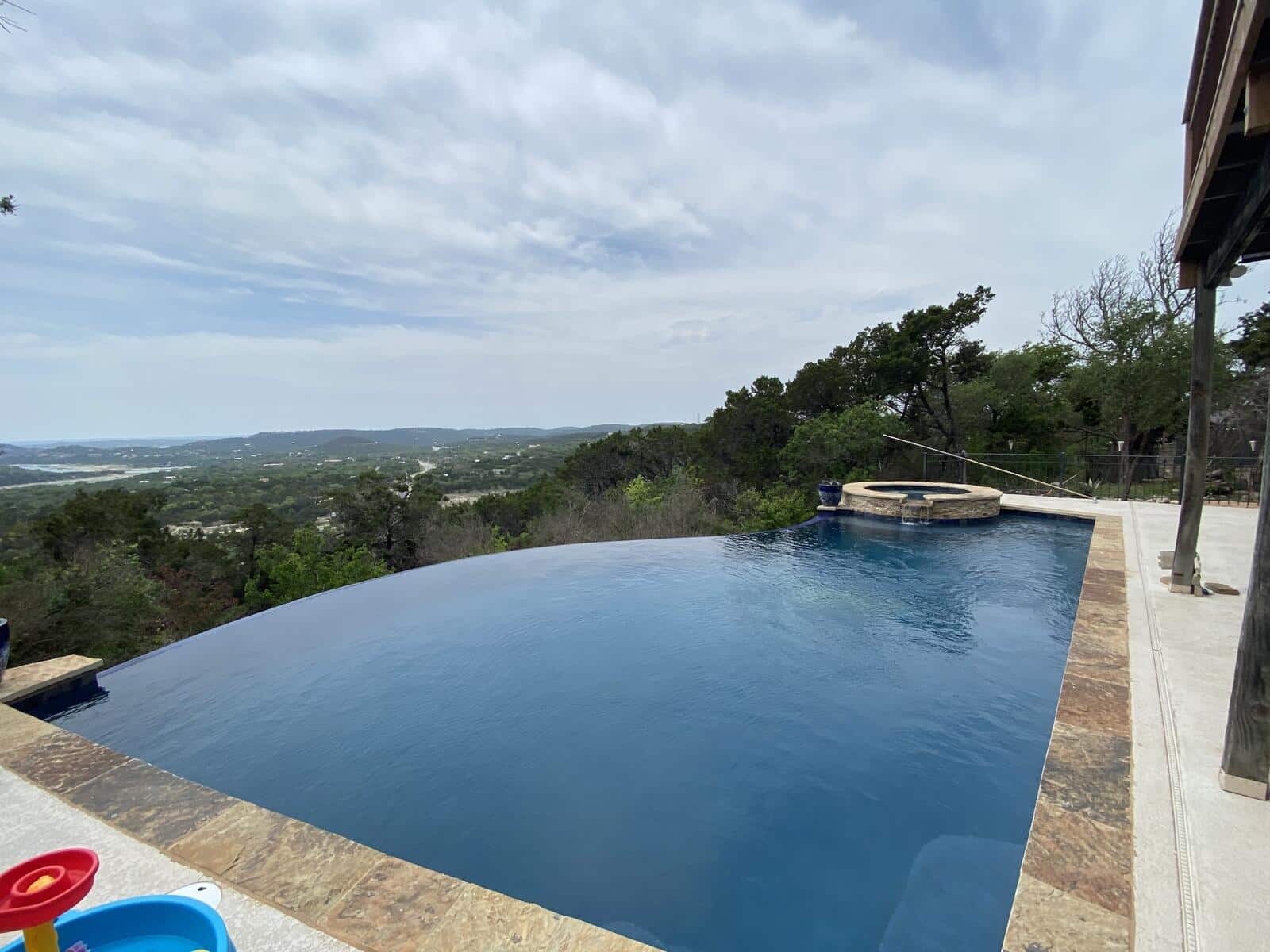
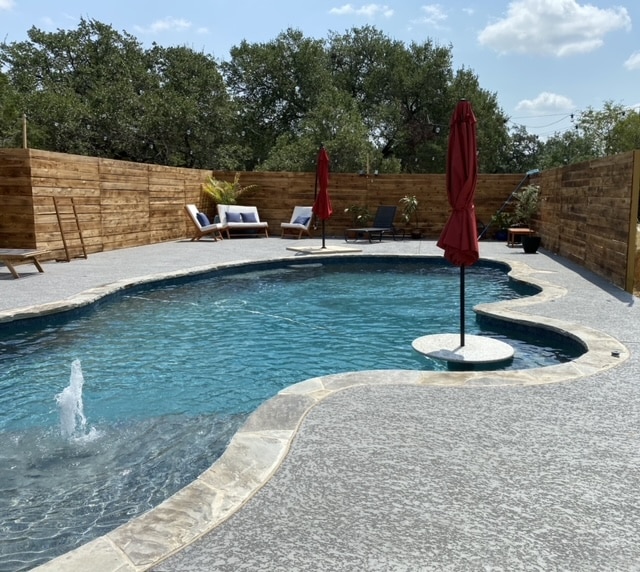
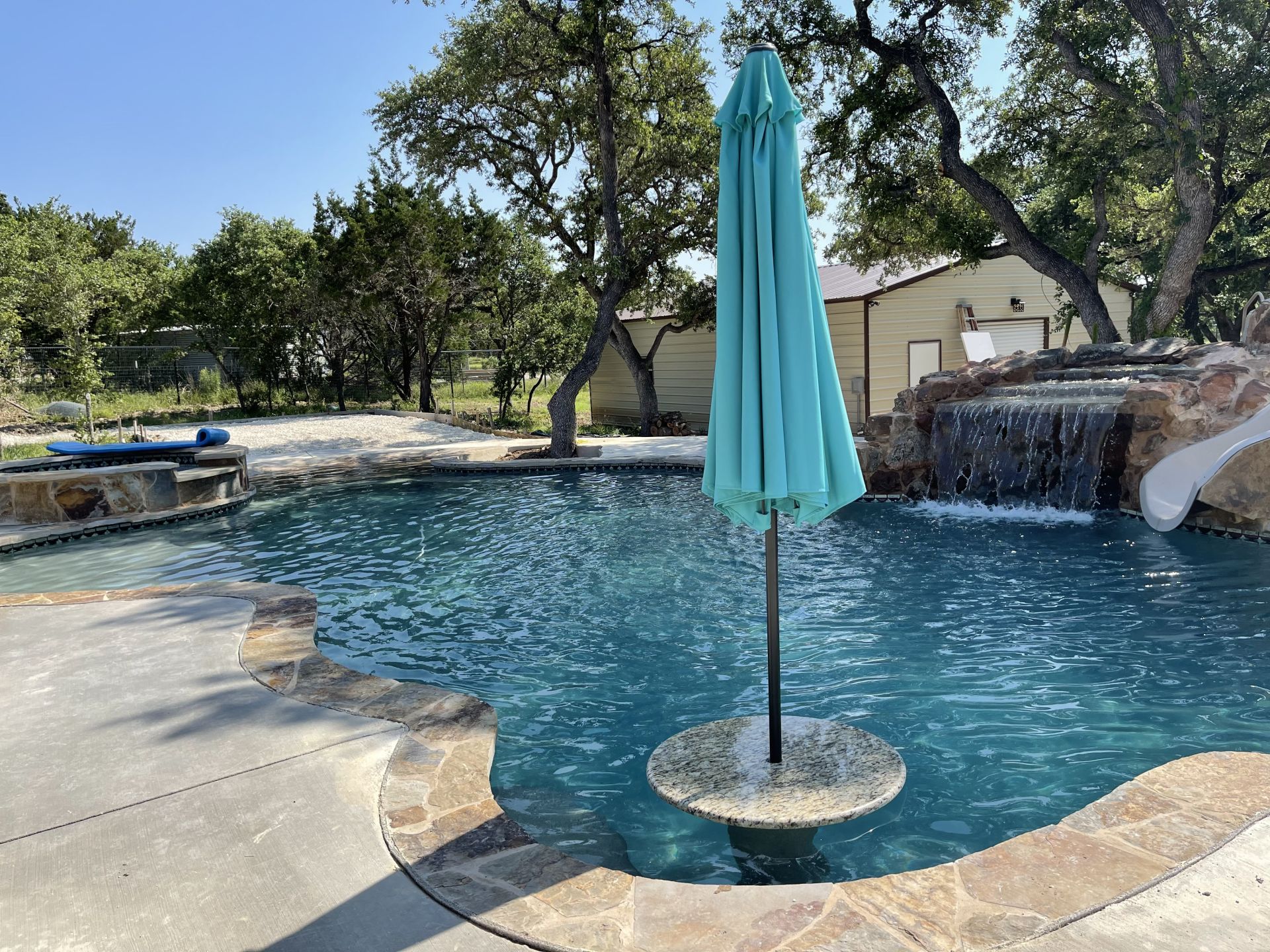
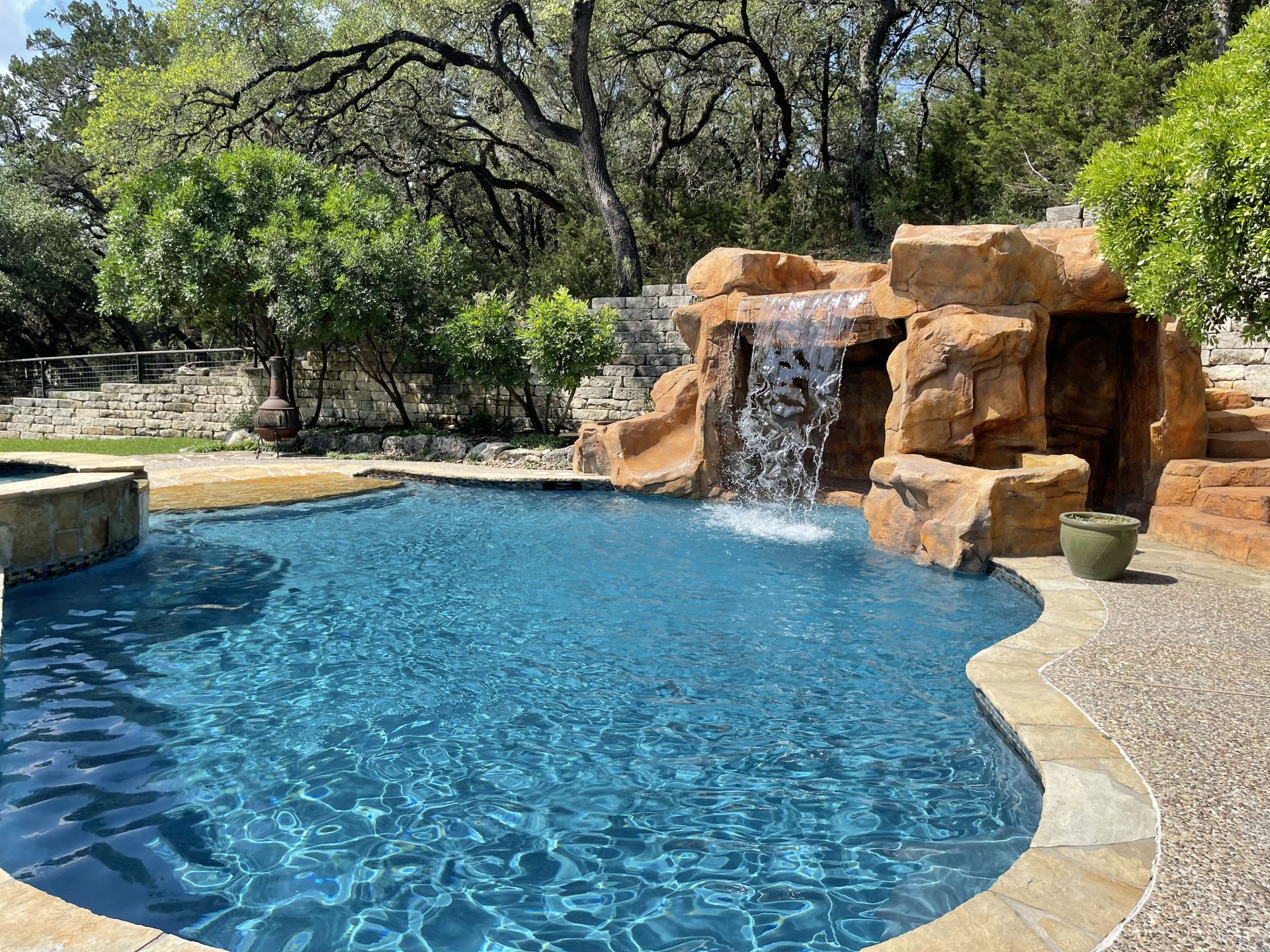
Ultimate Guide for Pool Remodeling San Antonio TX

There are many reasons why you might want to consider replacing the swimming pool in your backyard in San Antonio, TX one of them can be because of cracks in fiberglass pools. But before you make a decision that’s going to cost you a great deal of time and money, there are several things you should consider for pool remodeling San Antonio, TX.

First and foremost, why do you want to replace the pool to begin with? Perhaps you purchased a home and you realize that the pool is dated and past its point of usefulness. Maybe you simply want to upgrade to a more modern design. Or maybe, you just want to give the area a facelift by changing the shape and size of what is probably the focal point of your backyard.

Whatever the reason, you’ll want to take several things into account. The biggest and most pressing issue is, as usual, the cost of performing such a renovation.

Nationally, a typical pool replacement costs between $45,000 and $65,000, so you’re going to want to be sure that this is a project you definitely want to undertake before getting involved to the point of not being able to turn back.

Secondly, replacing a pool is a major project and it’s going to take some time and, thus, cause a good deal of disruption to your daily life. There will be workers, and equipment and a good amount of noise for a few weeks while the old pool is being demolished and the new one is being built.

But if you have your heart set on upgrading your backyard oasis, then congratulations! A swimming pool provides an unlimited amount of fun and enjoyment while creating memories that will last a lifetime.

So, let’s talk about pool remodeling replacing that backyard swimming pool in San Antonio. First, we’ll examine a few of the reasons why homeowners decide to replace their existing pools, which usually involves demolishing a concrete pool or one with a vinyl liner and upgrading to a more modern fiberglass pool. 

And that’s because of fiberglass pools:

  • Are much easier to maintain

  • Use lesser chemicals

  • Have the lowest lifetime cost of ownership

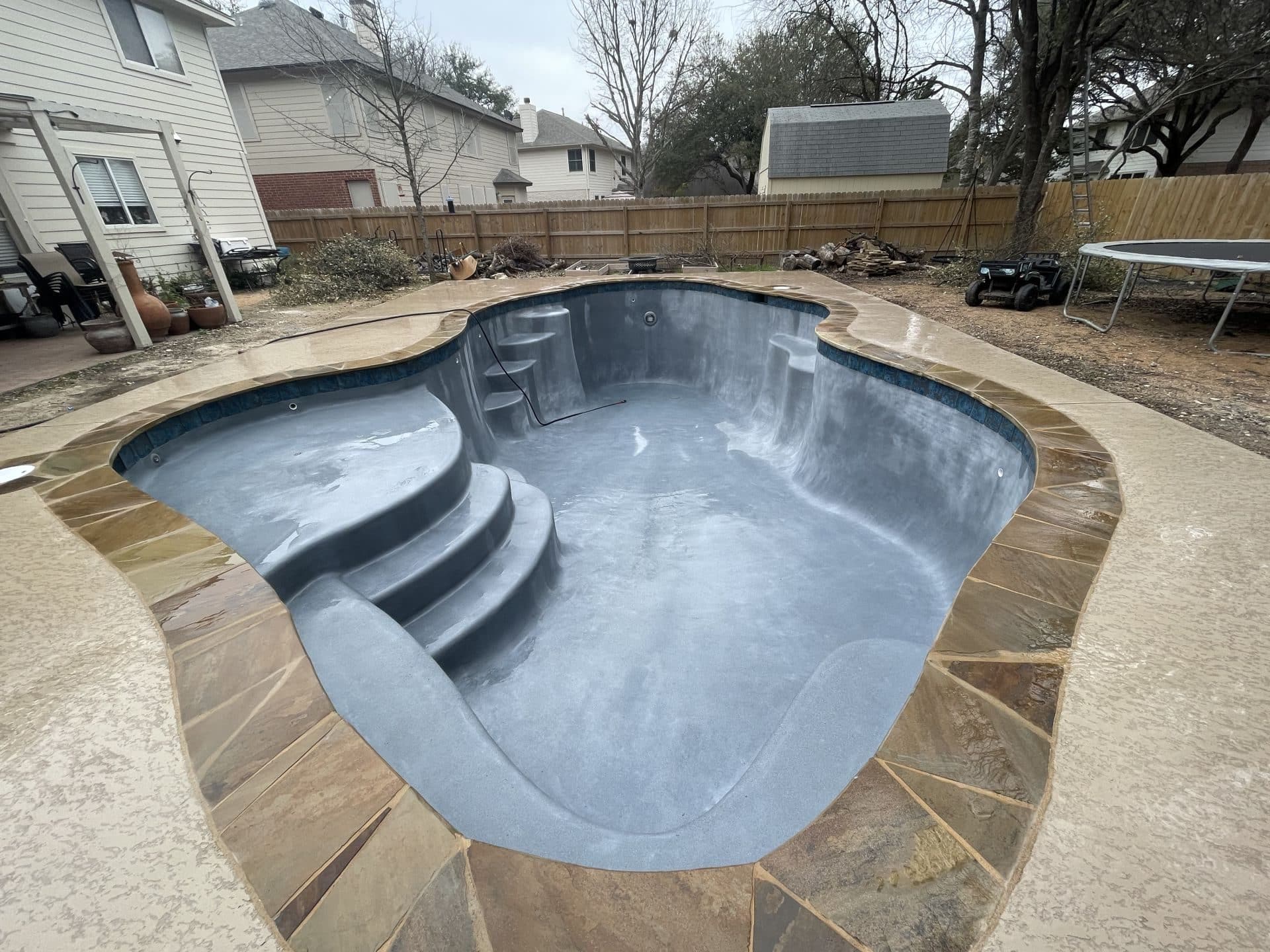
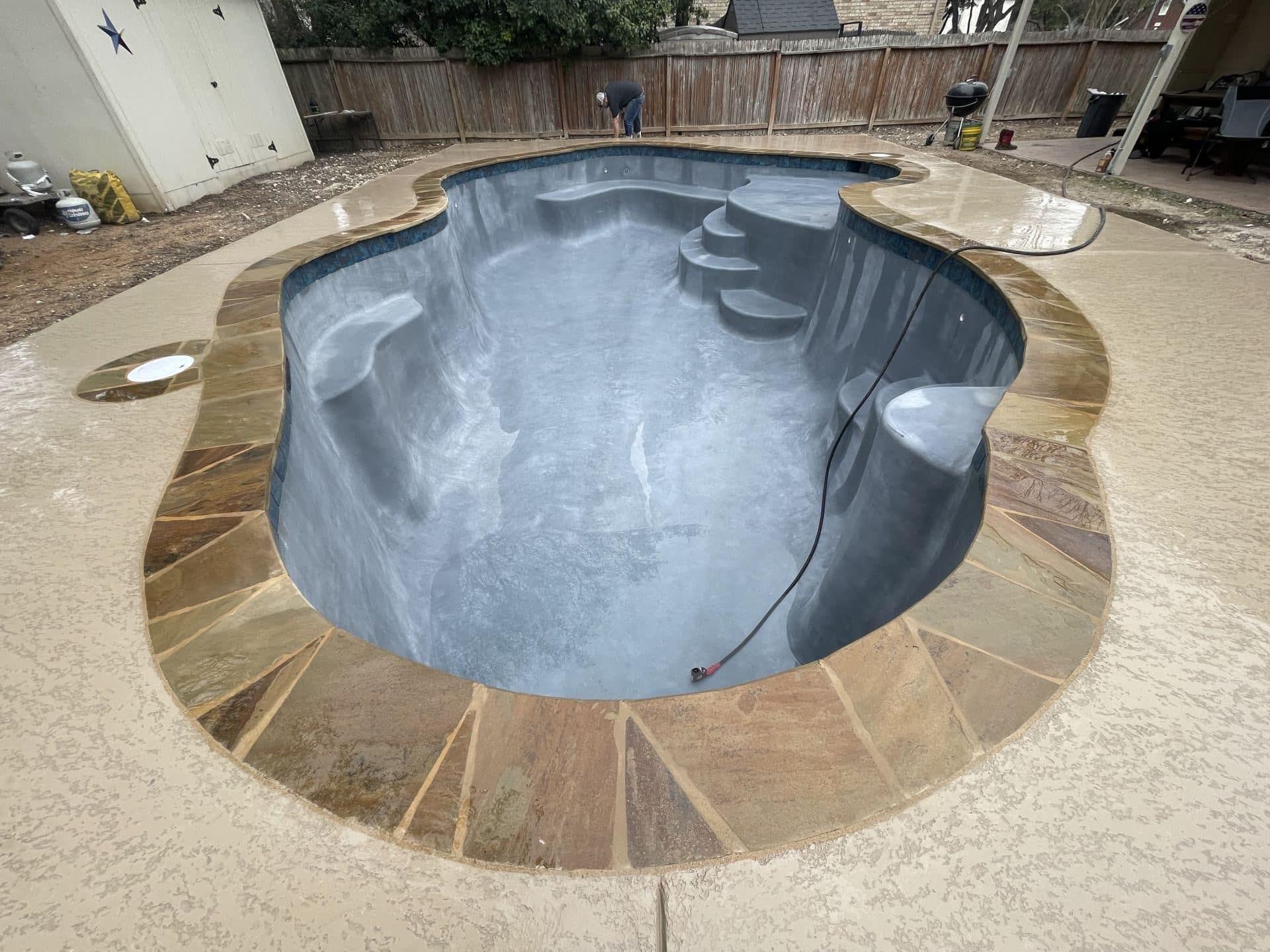
  • Have features such as steps, benches, tanning ledges and more integrated into the pool shell

  • Are extremely attractive

  • Are incredibly durable


swimming pool remodeling san antonio 

The Swimming Pool Remodeling Process San Antonio TX

Now if you’ve made the decision of choosing a pool liner and replacing your old swimming pool with a new fiberglass model, there are many steps to go through to ensure that the job is done correctly.

  • Tear Out The Old Structure. This means the liner, the wall panels, the floor and everything else needs to be completely removed. This is the first step and nothing else can be done until it is accomplished.
  • Bring Hole Up To The Proper Grade. This is generally accomplished by using gravel, though some builders will also use sand to accomplish this task. It will also be used to backfill the sides of the pool as well, which can become expensive, depending on the size of the pool.
  • Remove The Old Decking And Patio Area. This is because of the large equipment that will be used to install the new pool, which will also need a good amount (probably about 3 feet) of concrete around it. This is connected to the fiberglass lip to form a structural bond beam.

From this point on, assuming you’ve obtained all the necessary permits, you can simply install the upgraded pool as if you were installing a new one. We’ve talked about some of these steps in pool remodeling San Antonio TX before, but will include them here again so you know exactly what you’re getting into when installing that new fiberglass swimming pool in your backyard.

Once the hole is updated and your old decking and patio area has been removed, you can continue with the project via the following steps:

Pool Remodel Finish Out

  • Tile And Coping. This involves choosing and installing a decorative tile for your pool. This can be any of several textures, materials, and colors, whatever happens, to fit your tastes.
  • Plumbing. You’ll want to install or upgrade, the plumbing in a way that will give you the best circulation and filtration for crystal clear water and ease of maintenance. This can take some time, but you want to get it right and avoid future problems.
  • Equipment Setup Or Upgrade. This includes items like water feature pumps and other optional equipment, all of which should be handled by a qualified professional.
  • Electrical And Gas. You’ll now need to run or upgrade, electrical conduits for pool lights and equipment. Gas lines to the pool heaters can also be run during this phase.
  • Deck Layout. The new decking should fit well with the pool layout and design, and you’ll want to accomplish the installation of your deck during this step. There are several choices in regards to materials, including bricks, stone, pavers and more.
  • Pool Finish. The pool interior is coated with your choice of materials, from standard white to others that are much more extravagant. When this is finished, you can finally begin filling the pool with water.  If there are any other repairs needed, our pool repair San Antonio team will ensure your pool is corrected and running at full capacity.

According to the Association of Pool & Spa Professionals (APSP), there are 10.4 million residential swimming pools in the United States, with swimming being the fourth most popular sport or activity in the country.

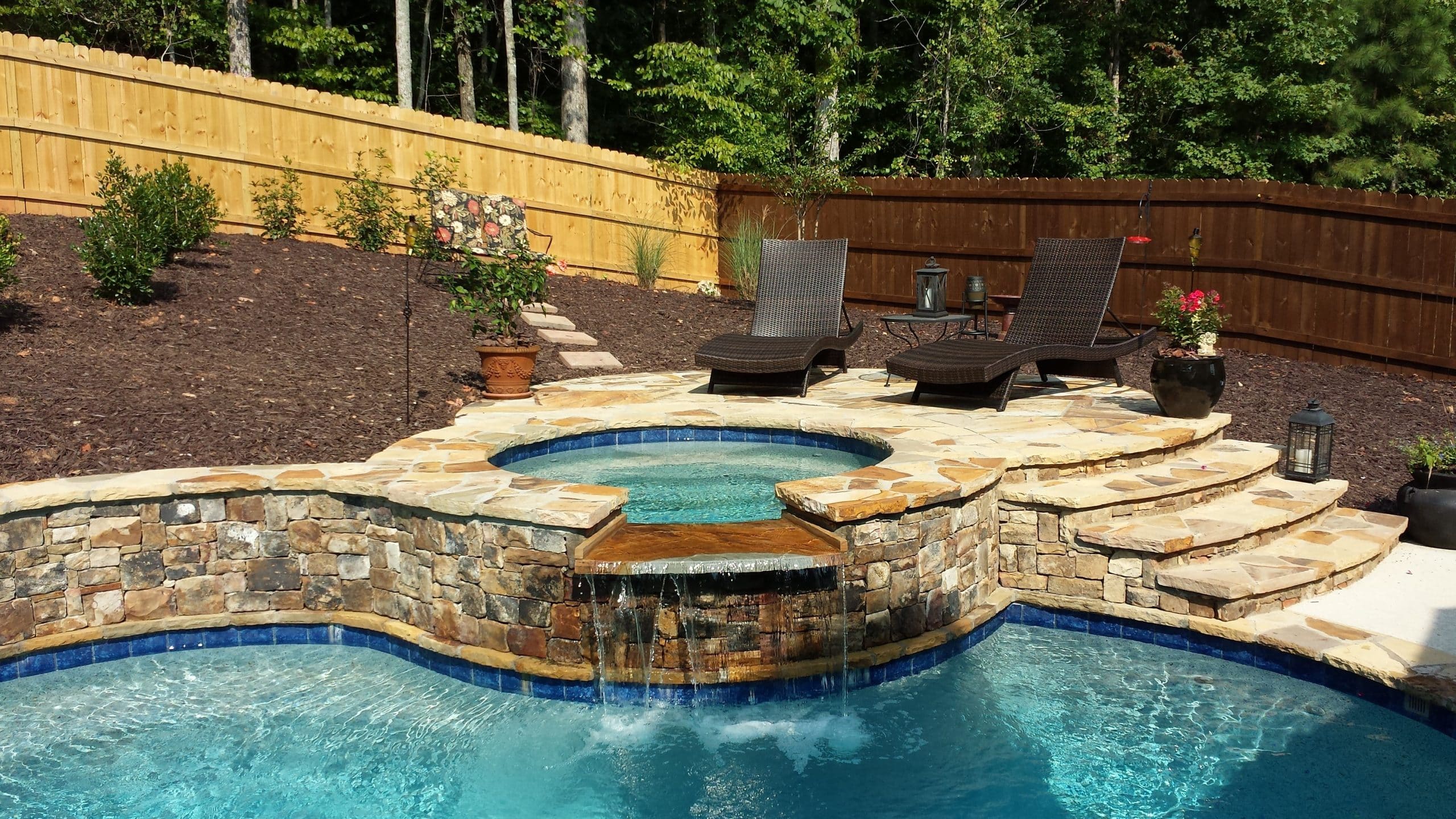
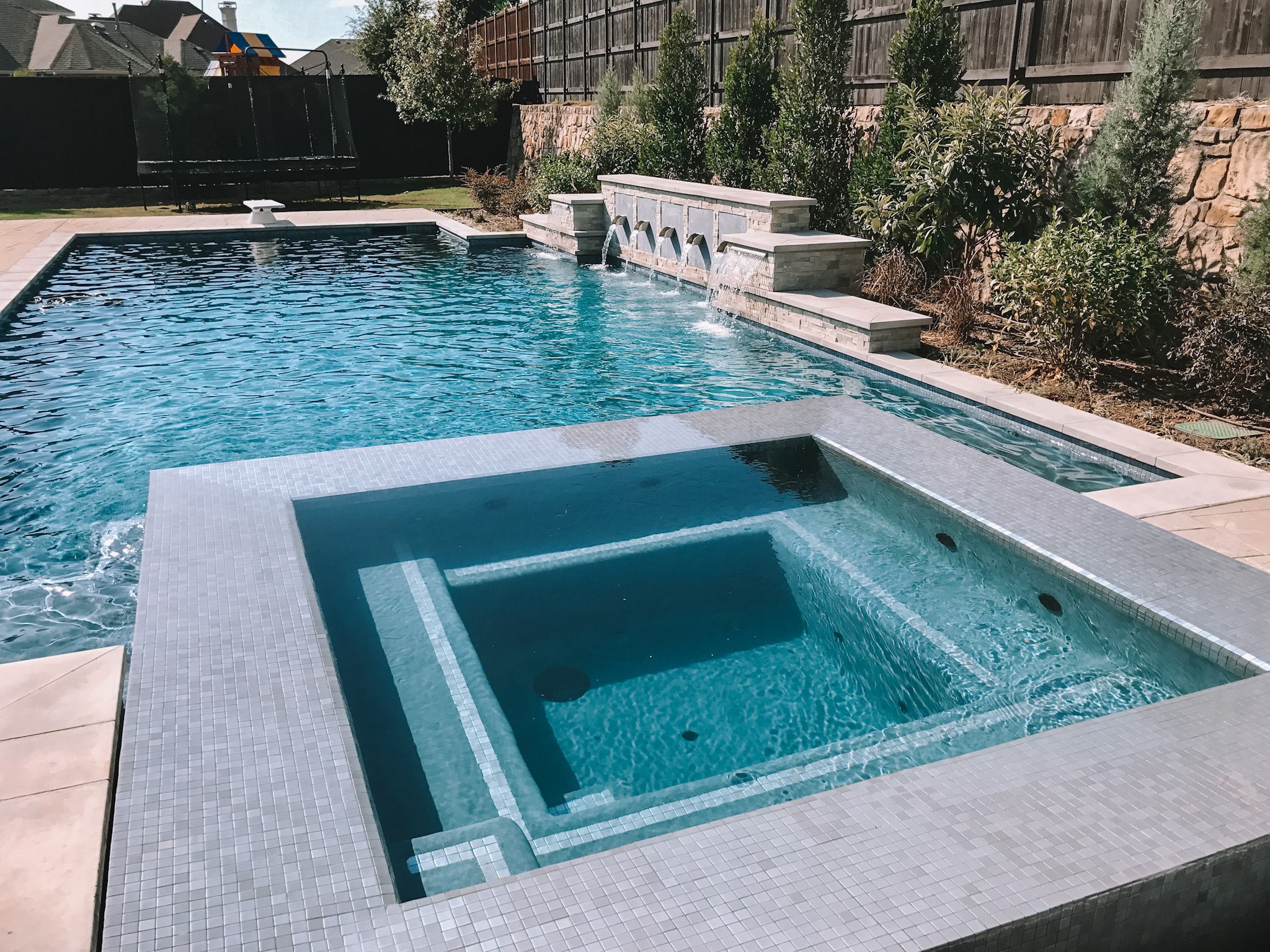
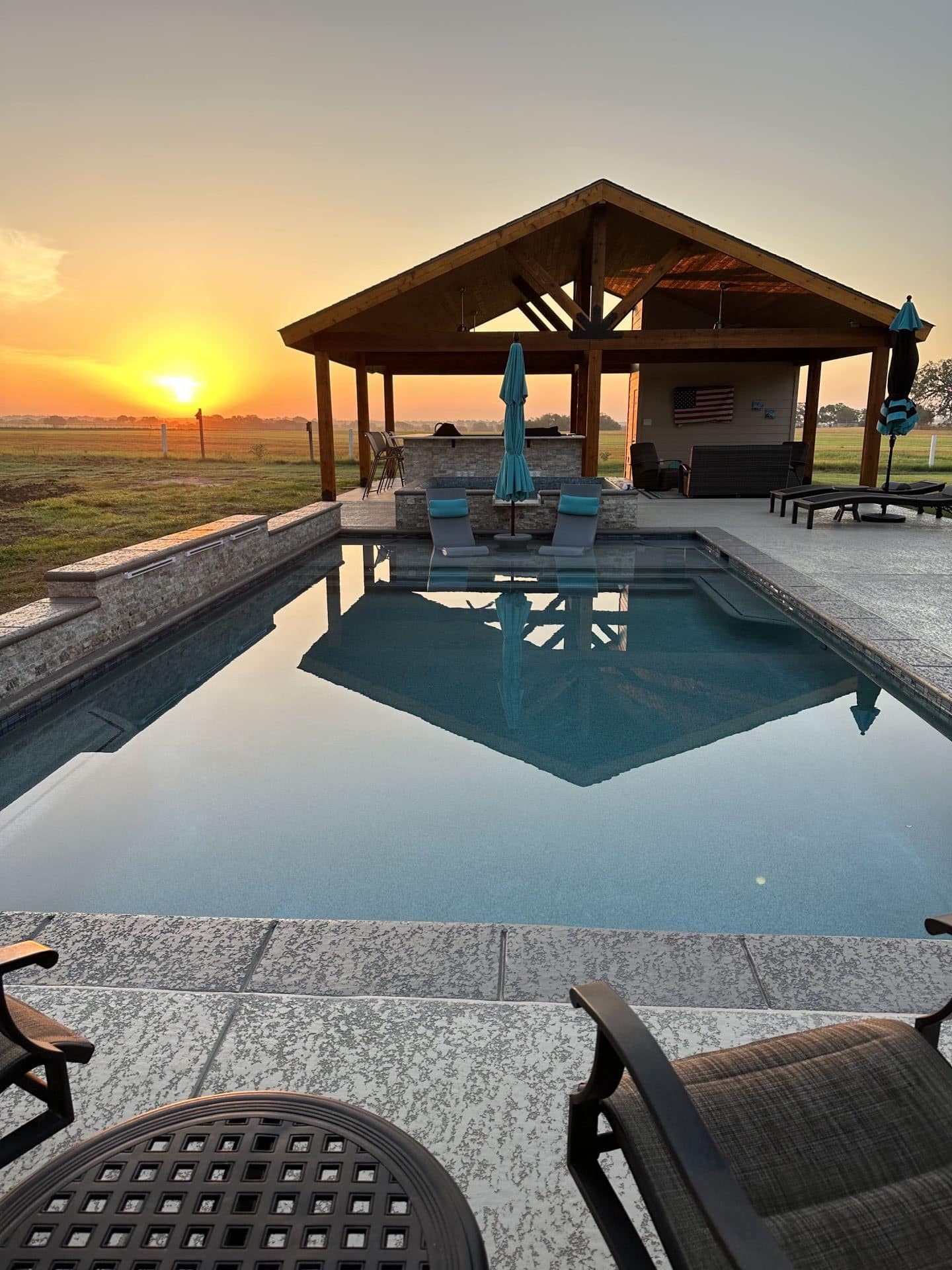
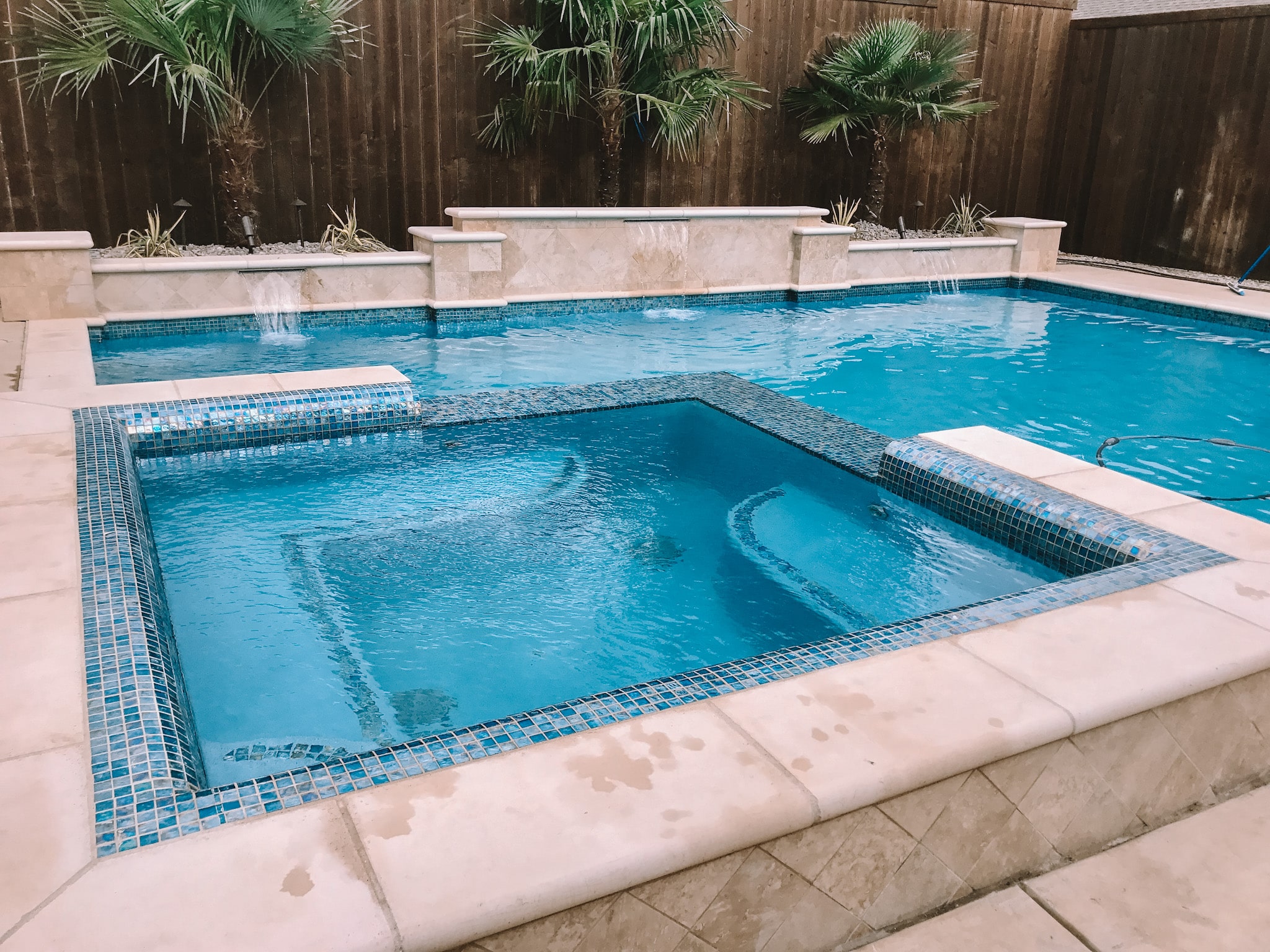
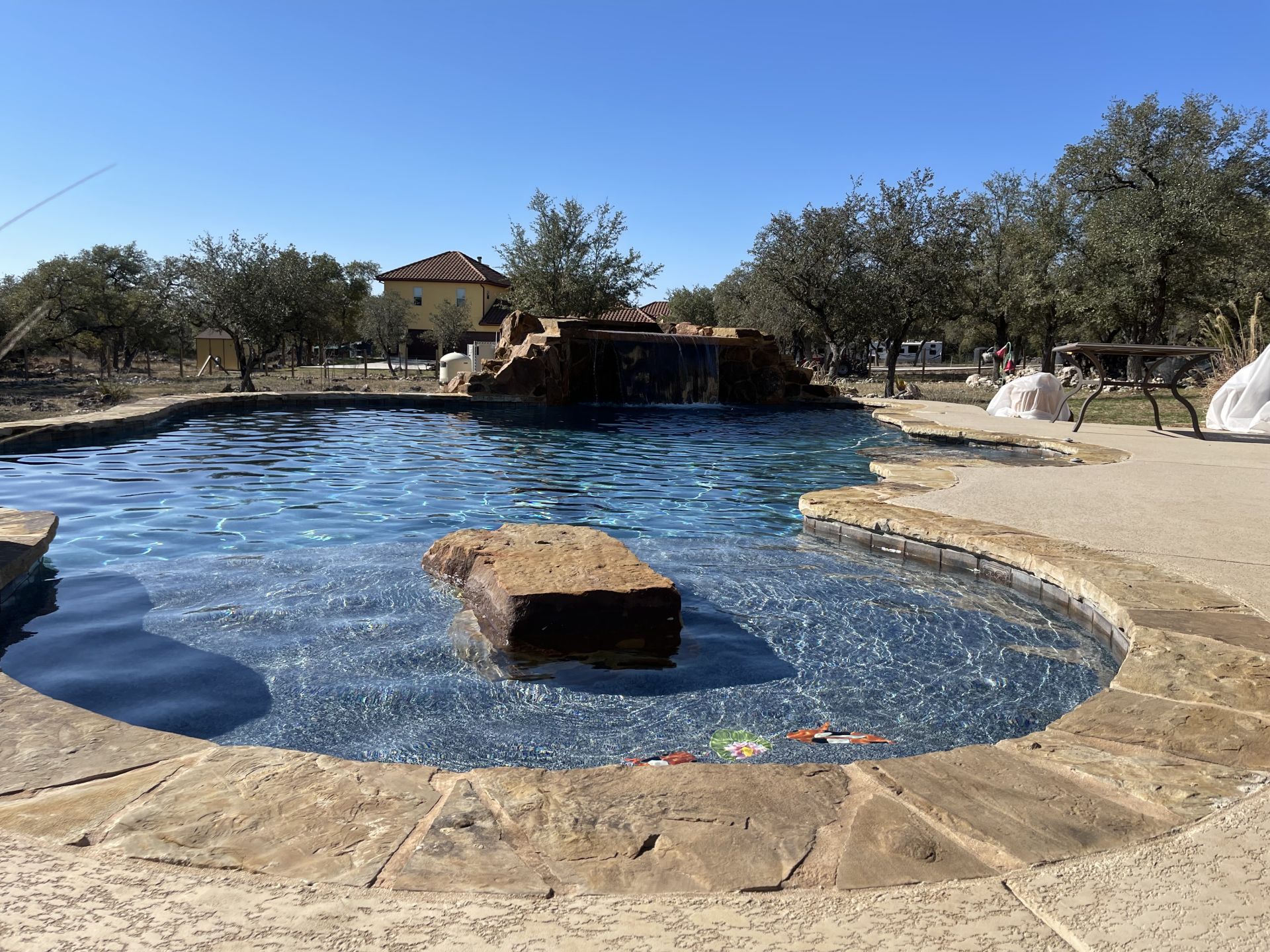
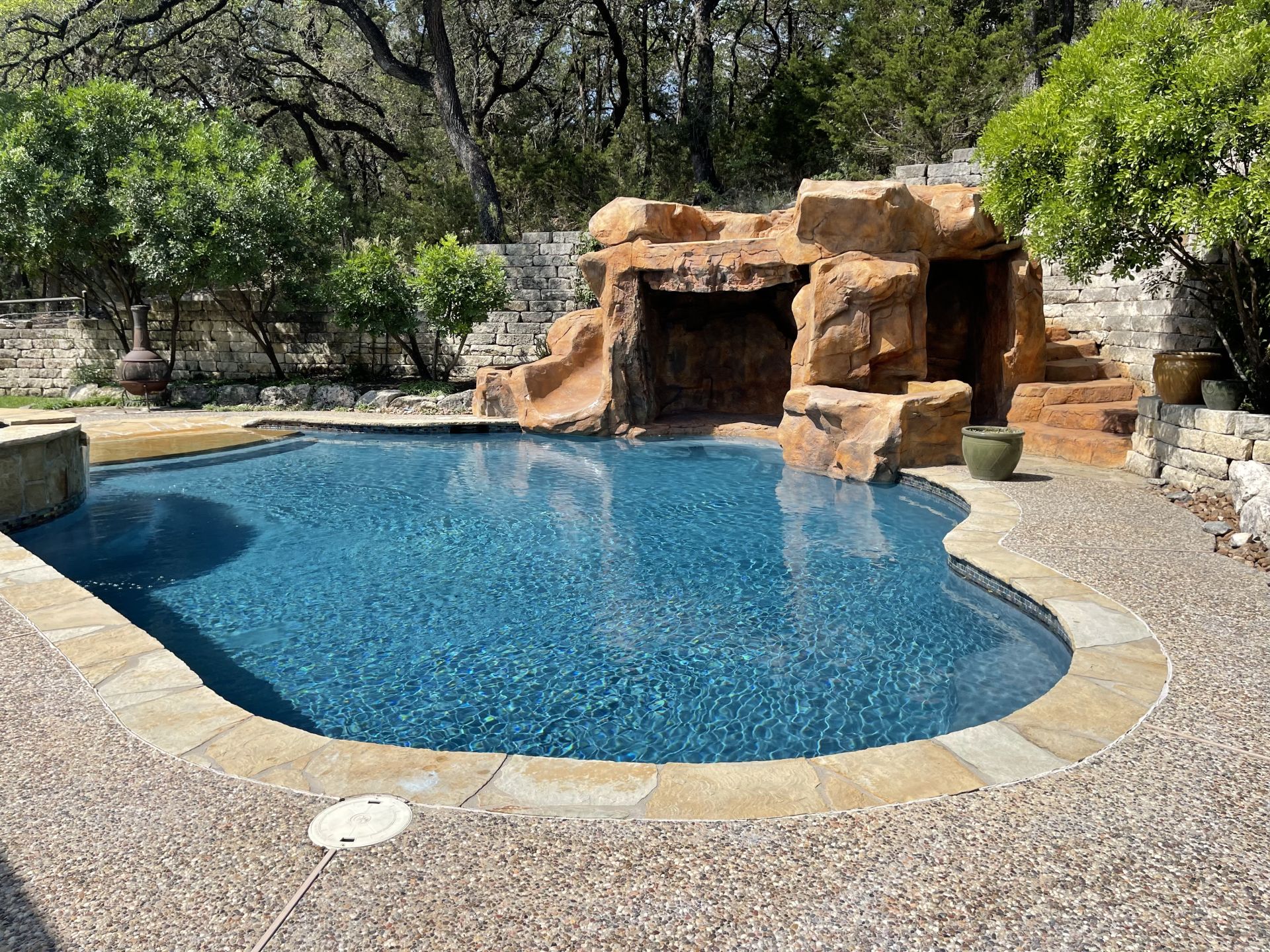
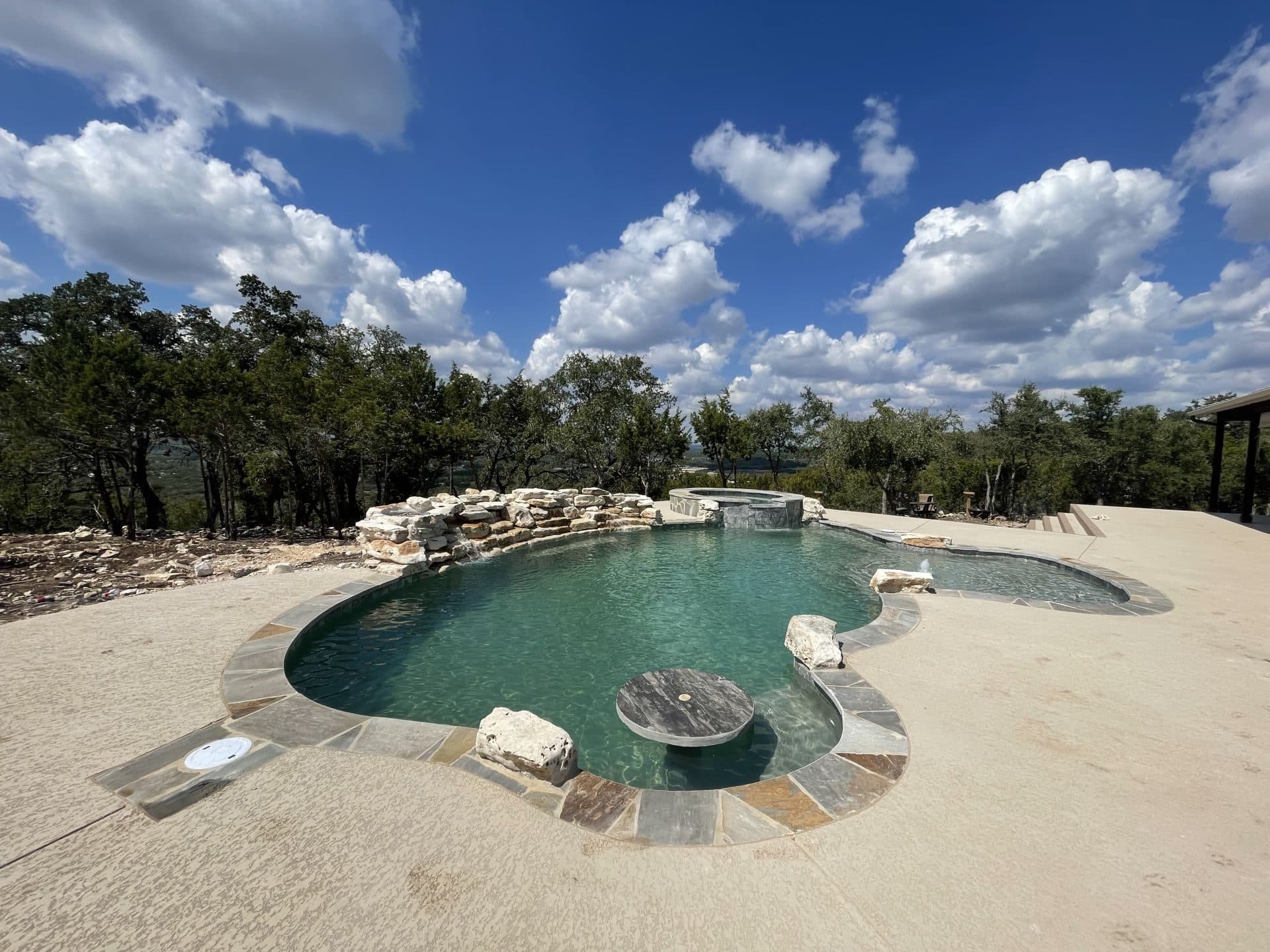
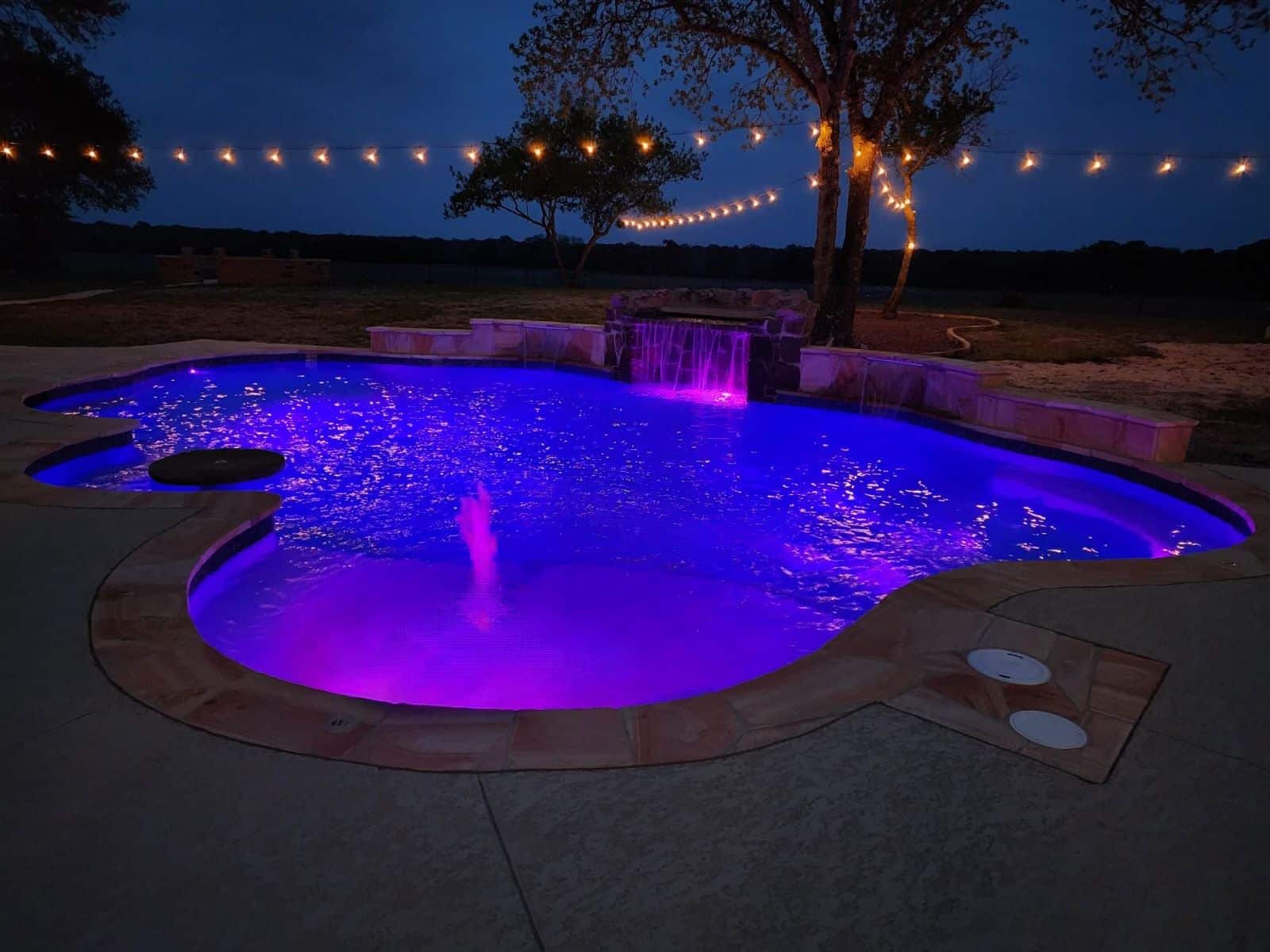
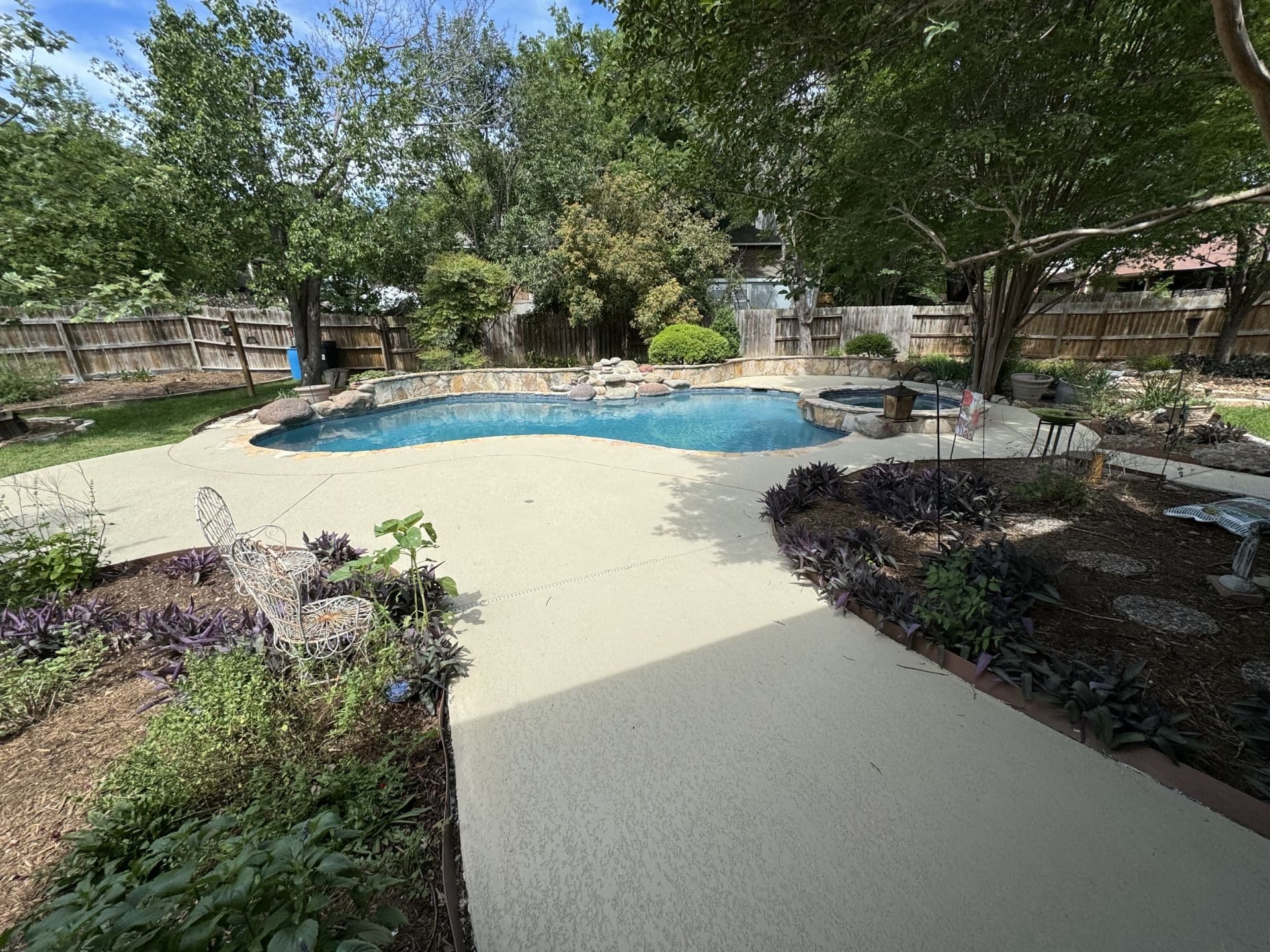
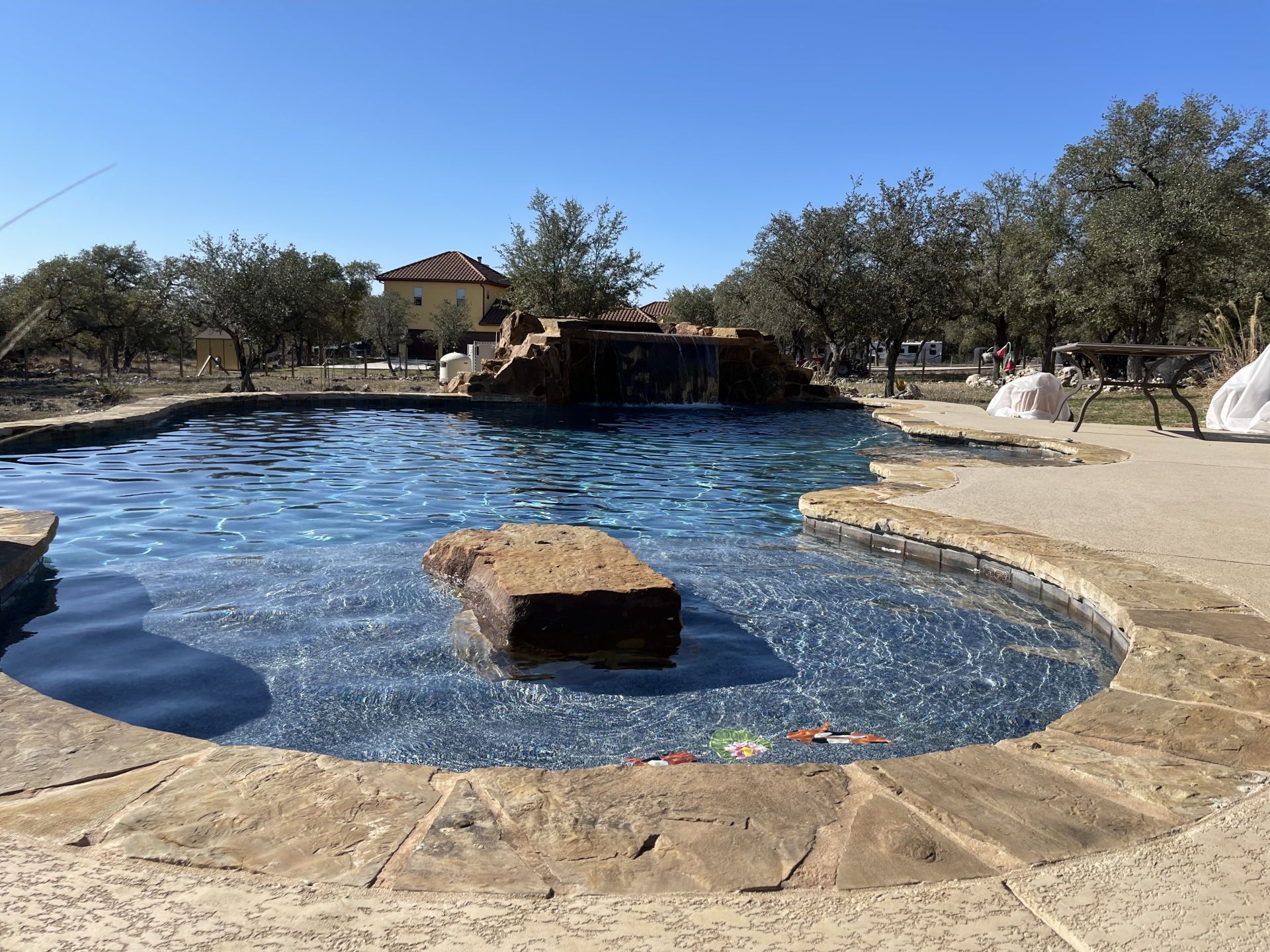
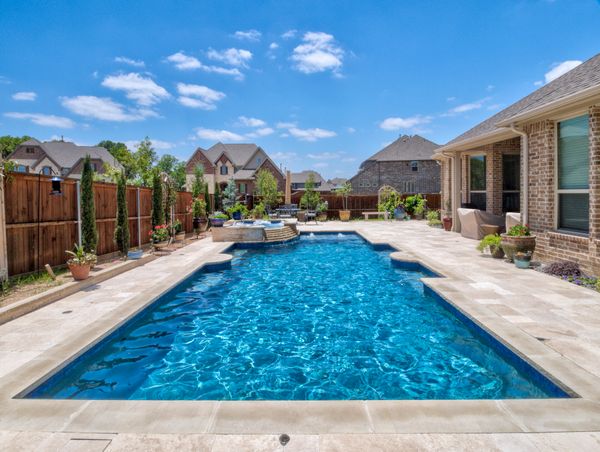
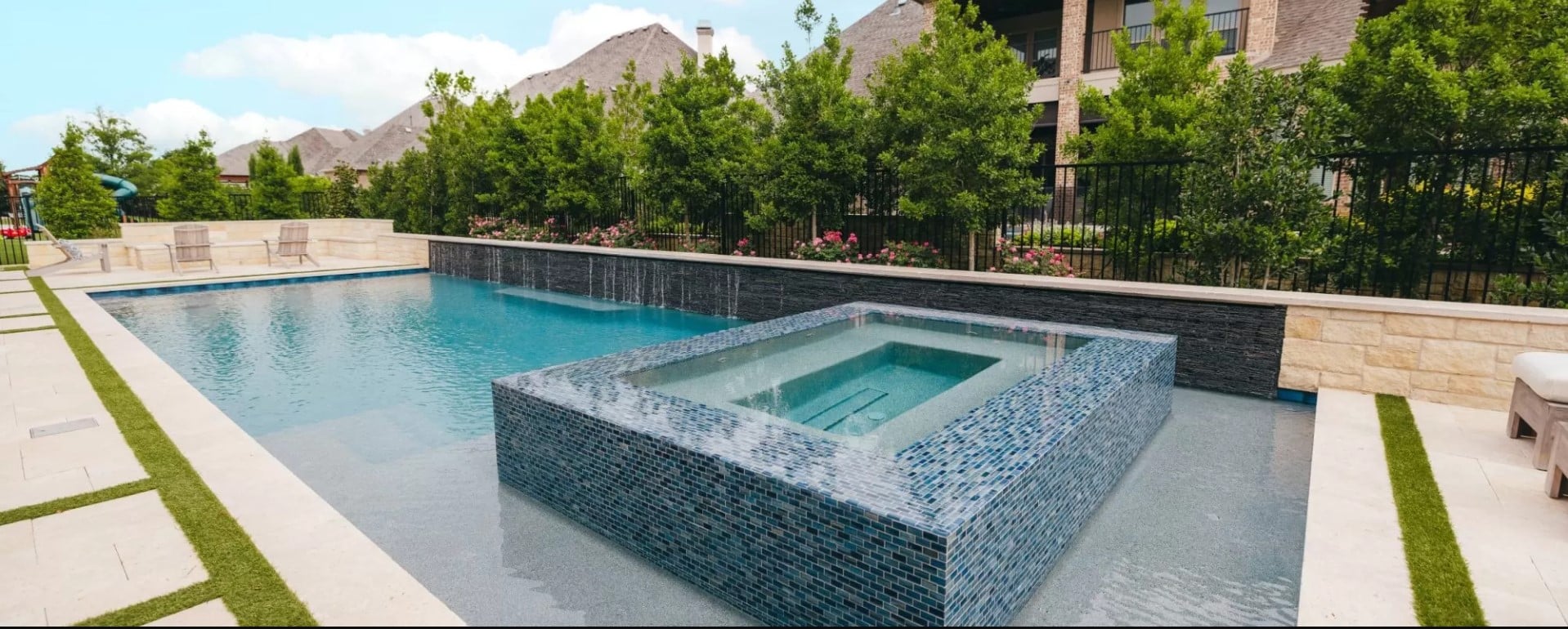
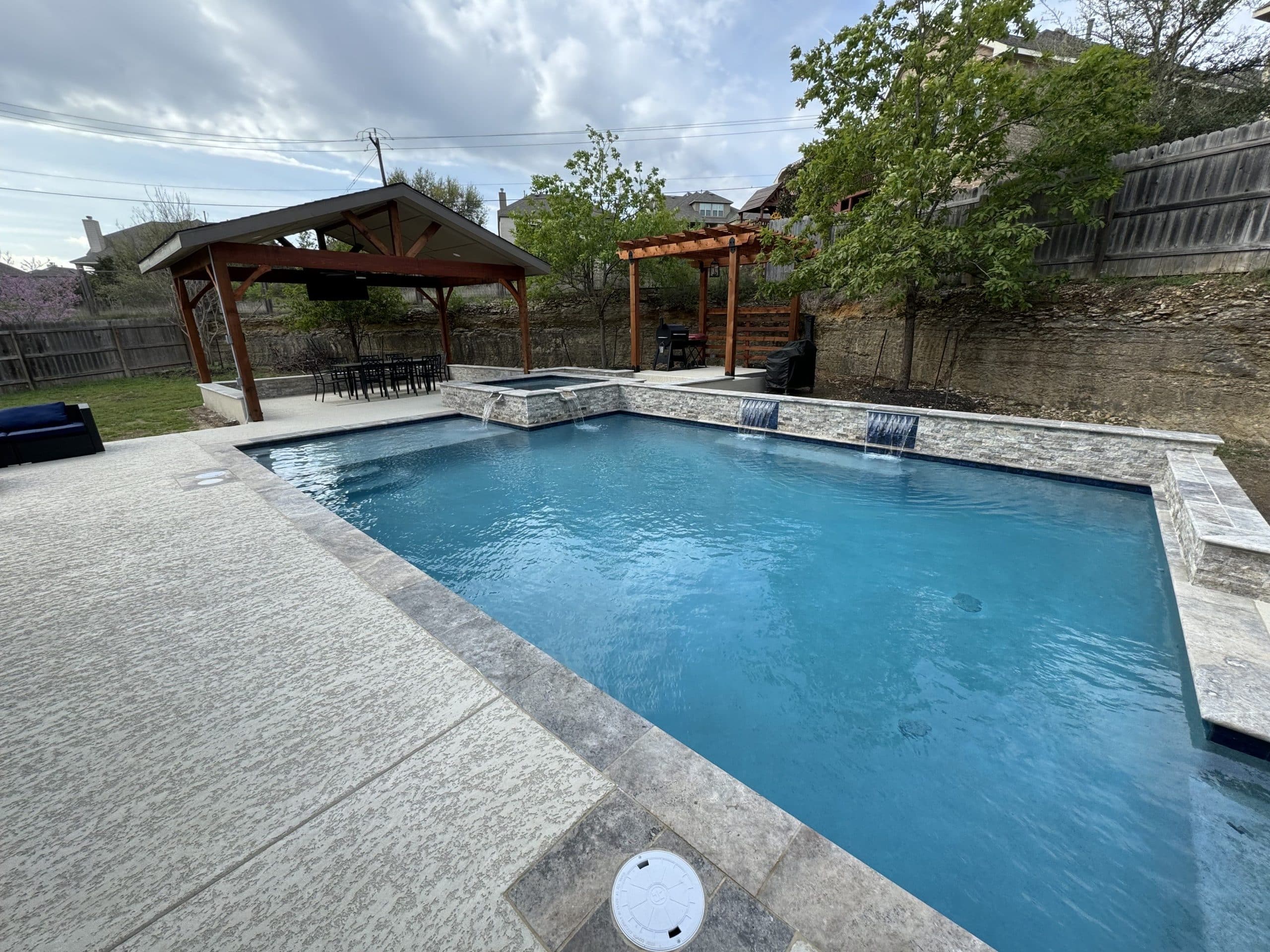
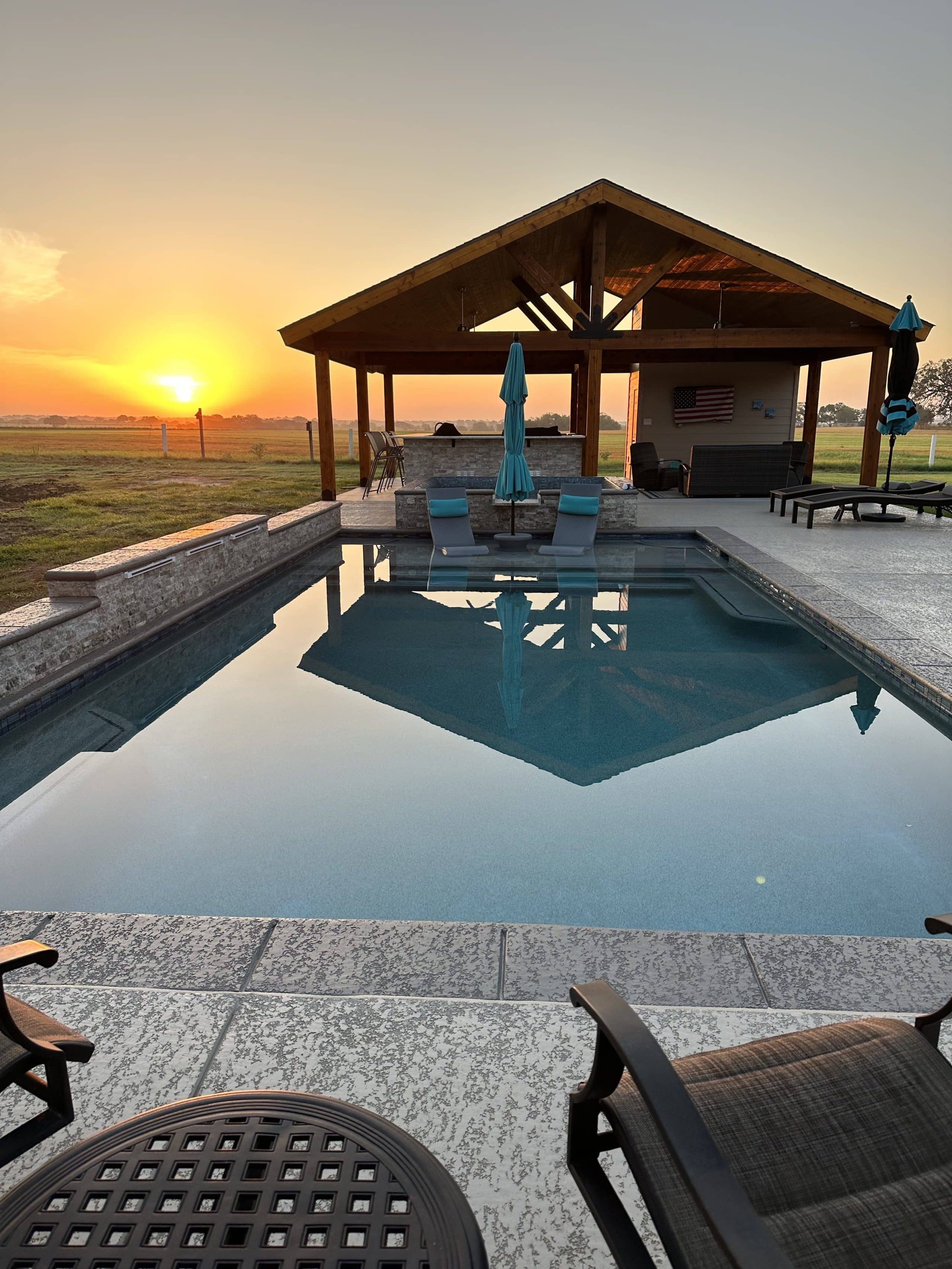
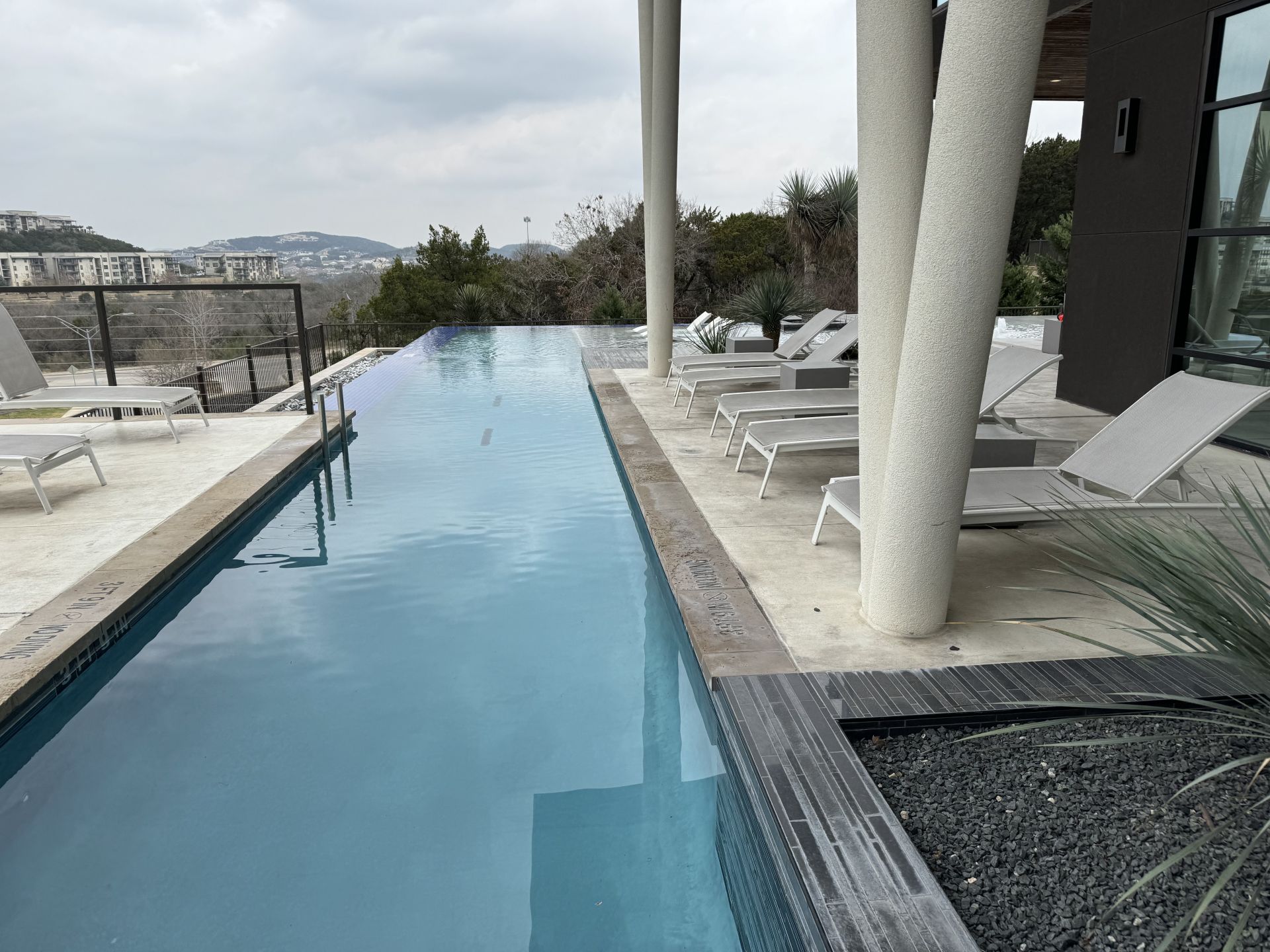
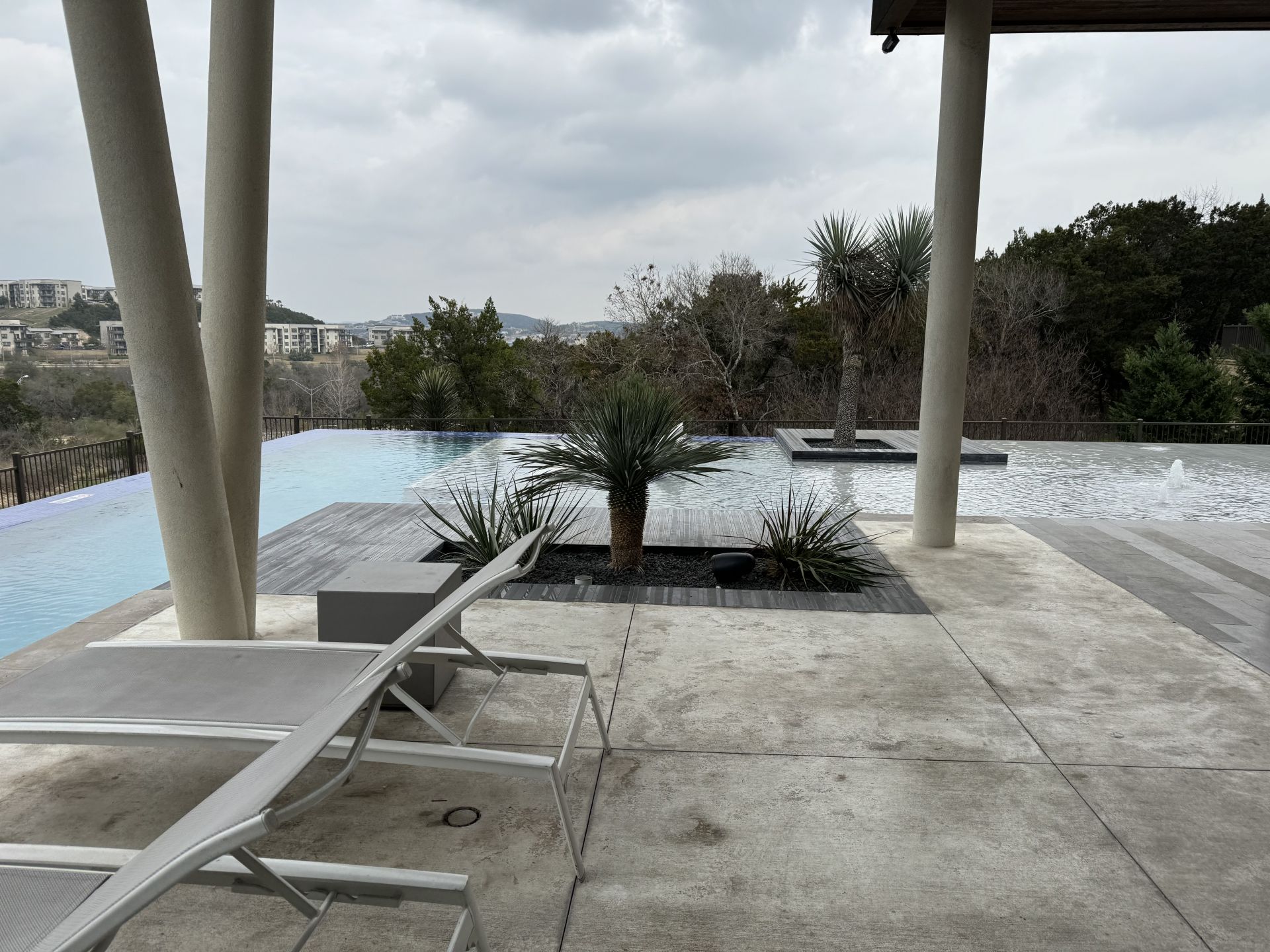
With so many swimming pools, and so many more being built or upgraded every year, there are obviously many styles and types to choose from. Visit our gallery for more pictures to choose from for pool remodeling San Antonio TX.

And we’re here to help you make those important decisions. If you want to upgrade your current backyard swimming pool, we have years of experience in guiding our clients down this path and helping them make what are often very difficult decisions.

If you’re even considering upgrading your old swimming pool in San Antonio, we’d love the chance to meet you, contact us to get to know you and develop a plan for creating a backyard oasis that you’ll be proud of for many years to come.

A backyard swimming pool is unlike anything else when it comes to maximizing the fun and enjoyment of your home and property in San Antonio, TX. Let us help you create that special place, where you’ll be making memories that will last a lifetime. Sanchez Pools – is more than qualified with 75 years of Pool Builder San Antonio experience.


How to Prepare Your Pool For Winter

pool maintenance san antonio winter

How to Prepare Your Pool For Winter

Now that autumn has arrived and the warmer temperatures of summer have begun to fade, it’s a good time to begin readying your swimming pool for the cold winter months ahead.

Remember, vacation pool maintenance is very important. If you don’t properly prepare your pool for the off-season, you could end up with a disgusting green mess next spring, which will probably cost you much more in the long run that simply preparing it now for the coming cold weather.

So, how do you get your pool ready for winter? There are many benefits of pool maintenance and here are the recommended steps to take when performing this annual task:

Clean It

You’ll want to remove all debris from the water, skimmer, pump basket and filters before moving on to the next step. Failure to do so could result in items falling to the bottom of the pool over the winter, which can stain the surface and be extremely difficult to clean. Contact Sanchez Pools for pool cleaning.

Check All Equipment

You’ll want to make sure that the pump is working and that there’s no calcium build-up on the chlorination cell. If there is, an appropriate cleaner can remove the calcification before closing your pool for the winter.

Even during the cold weather months, you’ll still want the pump, filter and chlorinator to run for a few hours each day. Eddie Sanchez, owner of Sanchez Pools says “We see a lot of cracked piping during the winter months, folks need to run their pumps even if they aren’t using their pool.”

Backwash Your Filter

To clean contaminants from the filter, you’ll need to do some backwashing. If your pool uses a sand filter, you’ll want to run it in reverse and dump the waste water in the process, before running it in rinse mode to resettle the sand. You can then return the filter to the normal setting.

Cartridge filters, on the other hand, can be cleaned simply by lifting out the cartridge, hosing it down and then cleaning it to remove oils and any deeply embedded debris.

Balance The Water

Properly balanced water makes everything in your pool run more efficiently, so it’s important to keep an eye on this at all times.

You’re really defending against algae outbreaks, but ensuring the water remains balanced will also help your surface and your equipment to last longer. Pool resurfacing or fixing cracks can get expensive.

Add A Phosphate Remover

Add a phosphate remover to eliminate the food source of any algae that could build up over the winter because usually, this is what causes algae in a pool. When you open your pool next season, you’ll be glad you did since algae is what makes the pool turning green in winter.

Use Your Pool Cover

A cover protects your pool from the elements, so if you don’t have one, you need to get one. I mean, do you really want to be skimming and vacuuming your pool when the temperature outside is below freezing?

Continue Basic Maintenance

Even during the winter months, it’s a good idea to check the water chemistry and filter gauge every couple of weeks. You might even want to take a water sample every now and then to your local pool dealer, to make sure everything is still in good shape.

Remember, just because your pool is closed for the season doesn’t mean you can relax on your maintenance responsibilities.

Winter will come and winter will go, but your pool will be there for many years of fun and enjoyment. So taking the right steps now will make things easier once the weather turns warm and you’re ready to once again begin using your backyard pool.

How To Get Rid Of Algae In A Swimming Pool

algae in pool

How To Get Rid Of Algae In A Swimming Pool

When spring starts to come around the corner many homeowners might notice that their pool has turned a shade of green during the winter months. This is caused by algae, a small plant-like organism that grows when pool water is left untreated for long periods of time. The result is a green tone in your water or a series of black/green spots on the walls of your otherwise clean pool. It’s very important to have pool maintenance in winter because this can be a problem our San Antonio pool builders face after they deliver a pool to a homeowner.

Here are some ways to correctly identify the pool algae treatment you need and what you can do to prevent pool algae and the benefits of weekly pool maintenance.
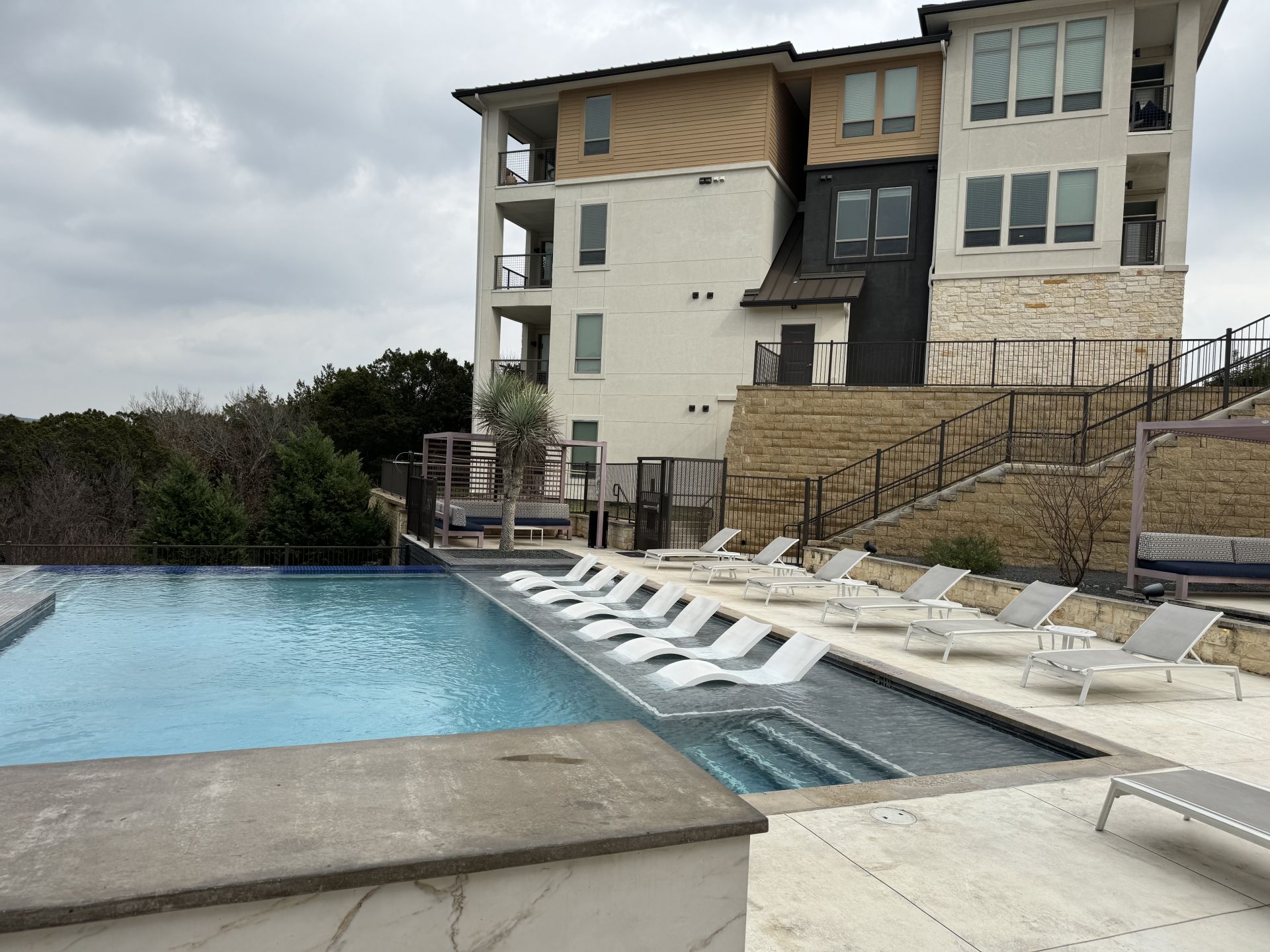
What Causes Pool Algae?

Algae usually grows when the level of chlorine is low and when the pH is unbalanced.. Whether it be a lake or your pool, algae can grow anywhere where water is not moving. The main cause for algae is a lack of sanitation and no use of chlorine, which provides the perfect environment for it to grow. Algae is also common in dark places, which is why it’s commonly found on pool steps and in corners or other crevices of your pool.

Types of Pool Algae

Green Pool Algae

Green pool algae is the most common form and comes from a lack of proper sanitation or filtration in your pool. It’s commonly found clinging to the bottom of your pool, to the walls, and even floating on the water. Thankfully, this type of green algae is easy to clean and only requires some algaecide or sanitizer.

Yellow Pool Algae / Mustard Pool Algae

Yellow algae is often found in areas that don’t get much sunlight and is harder to remove. Often it can be confused with pollen or sand due to its color. This variety is a bit harder to remove compared to green algae.
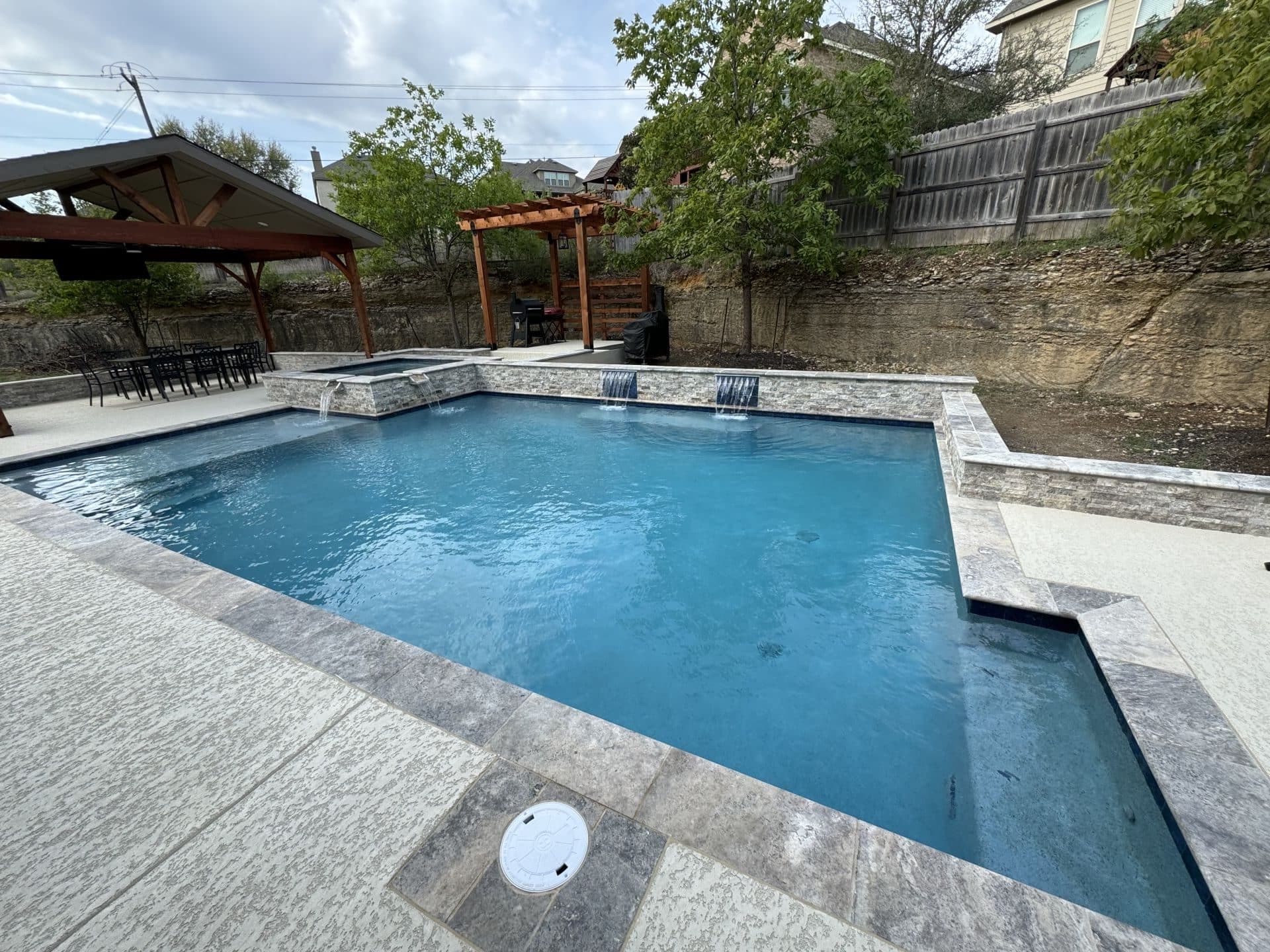
Black Algae

While not that common, black algae is the hardest algae to remove from your pool. It appears as dark black spots on the walls of your swimming pool. While the black algae seems to be only on the surface of the wall, the roots are actually located deep into the walls.

How To Get Rid Of Pool Algae

There are a variety of methods to get rid of pool algae, here are some of the most common:

Superchlorination, also known as pool shock

Pool shock is made up of chlorine or non-chlorine chemicals that are added to pools in order to destroy contaminants such as algae or other bacteria. The chlorine versions of pool shock raise the levels of chlorine to high levels, often up to 10 ppm, to kill bacteria. Non-chlorine pool shock, on the other hand, generally contains potassium monopersulfate which is good at oxidizing contaminants but will not do much to kill bacteria.

To use the shock, put on some protective gear to protect yourself from the chlorine steam that might form. This can include goggles and gloves. Once you’re well protected, empty the contents into a bucket of water before adding it to your pool. Always empty the shock into the water and not the other way around to control the amount of chemicals going into the bucket. Once this is done you can add the shock to your pool and leave it to rest overnight to avoid having the sun evaporate the shock.

Once you are ready to use your pool, make sure to test the chlorine levels in your pool before swimming. Pool shock treatments raise the chlorine treatment in waters to high levels. The instructions in your pool shock chemicals should advise on the proper time to wait before going for a swim. Always consult with your pool cleaning San Antonio technician if you have concerns about pool shocking.

Do not add shock to an automatic chlorinator. Doing so could cause the shock to mix with certain chemicals and could create a deadly gas that could cause an explosion. Always read the instructions of your shock mix carefully before use.

Add flocculant

Flocculant, also known as floc, is a chemical that takes small particles in your pool and causes them to settle at the bottom of your swimming pool. While it will not kill the bacteria, it will bind to the algae and cause it to fall to the bottom of your pool where you can then vacuum it.

To use it simply turn your water pump to “recirculate” or “recycle” to spin the water in your pool. Add the flocculant to your pool, following proper directions to find the correct dosage for your size of swimming pool. Once that is done, leave the water to circulate for about 2 hours before shutting down the pump and leave overnight. In the morning the particles should be ready to vacuum.

Use algaecide

Algaecide is best used as a preventive measure, not as a treatment. The reason why is simply due to the limitations of algaecide and how much chemical would need to be used before it takes effect. Check with your pool store to see which algaecides are best at killing algae before use.

How To Prevent Pool Algae From Appearing

While treating algae is possible, it’s best to prevent algae from growing in the first place by following some simple steps:

  1. Keep your filter clean to help remove fine particles from your water and to circulate water frequently. This prevents algae from forming.
  2. Keep your water balanced by checking the level of chlorine in your water.
  3. Shock your pool regularly and use a pool brush to knock the algae off the walls.
  4. Use UV light to prevent algae from growing in your pool.
  5. Keep your pool sanitized by ensuring your pool always has a proper level of chlorine in it.
  6. Keep cleaning regularly by brushing the walls and vacuuming the floor of your pool.

A cleaner pool is a better pool

By following proper water care and making sure that your pool is taken care of, you can swim without worry all year long. Looking for a new pool or an upgrade? Contact Sanchez Pools Inc today for more information about our pool selection! Need Repairs? To learn more about our pool repair san antonio services please give us a call.